BJL Lighting LLC’s Blog

Why LED Vehicle Safety Lighting Is a Game-Changer for Safety

  • A car is driving down a highway on a sunny day

    Slide title

    Write your caption here
    Button

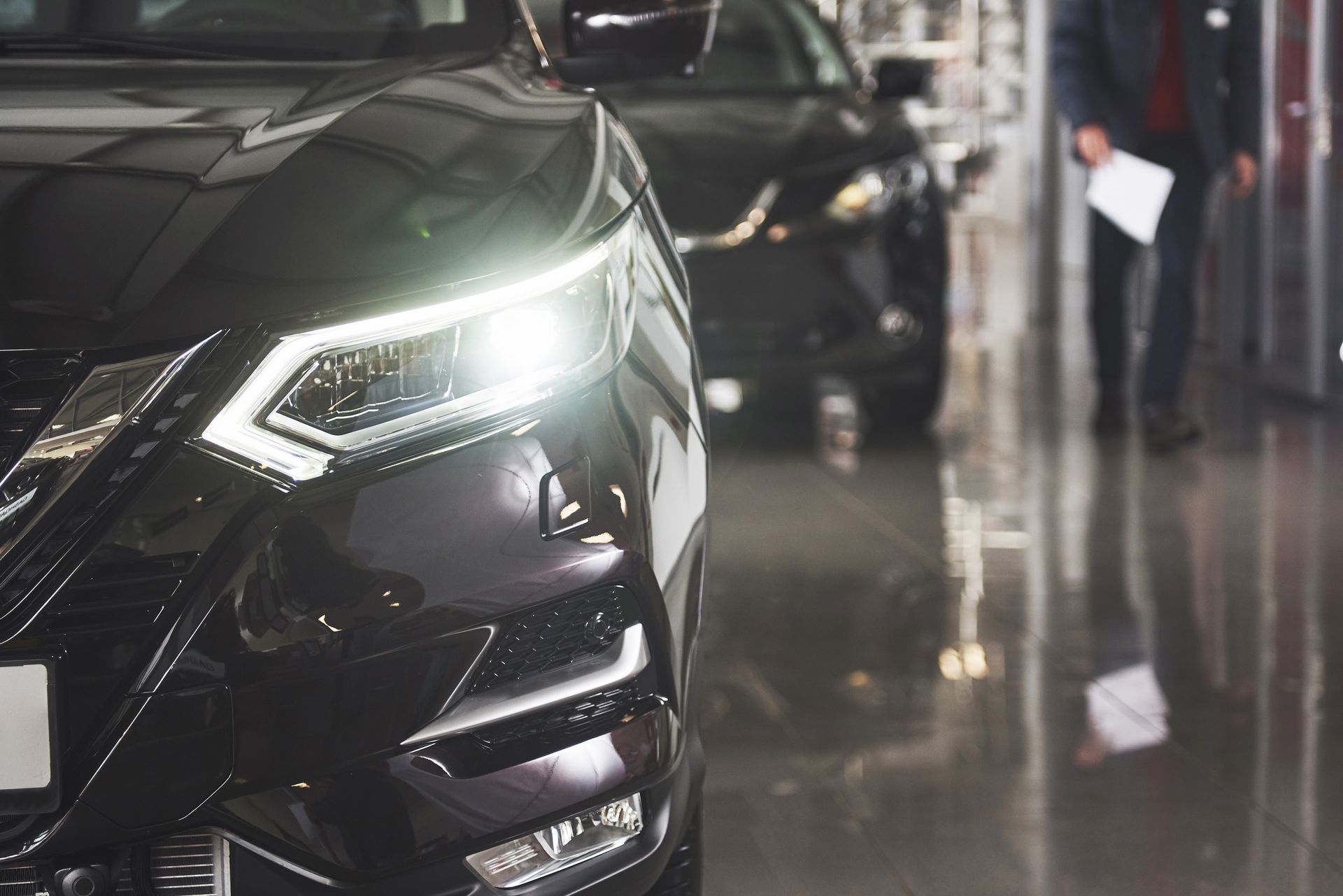
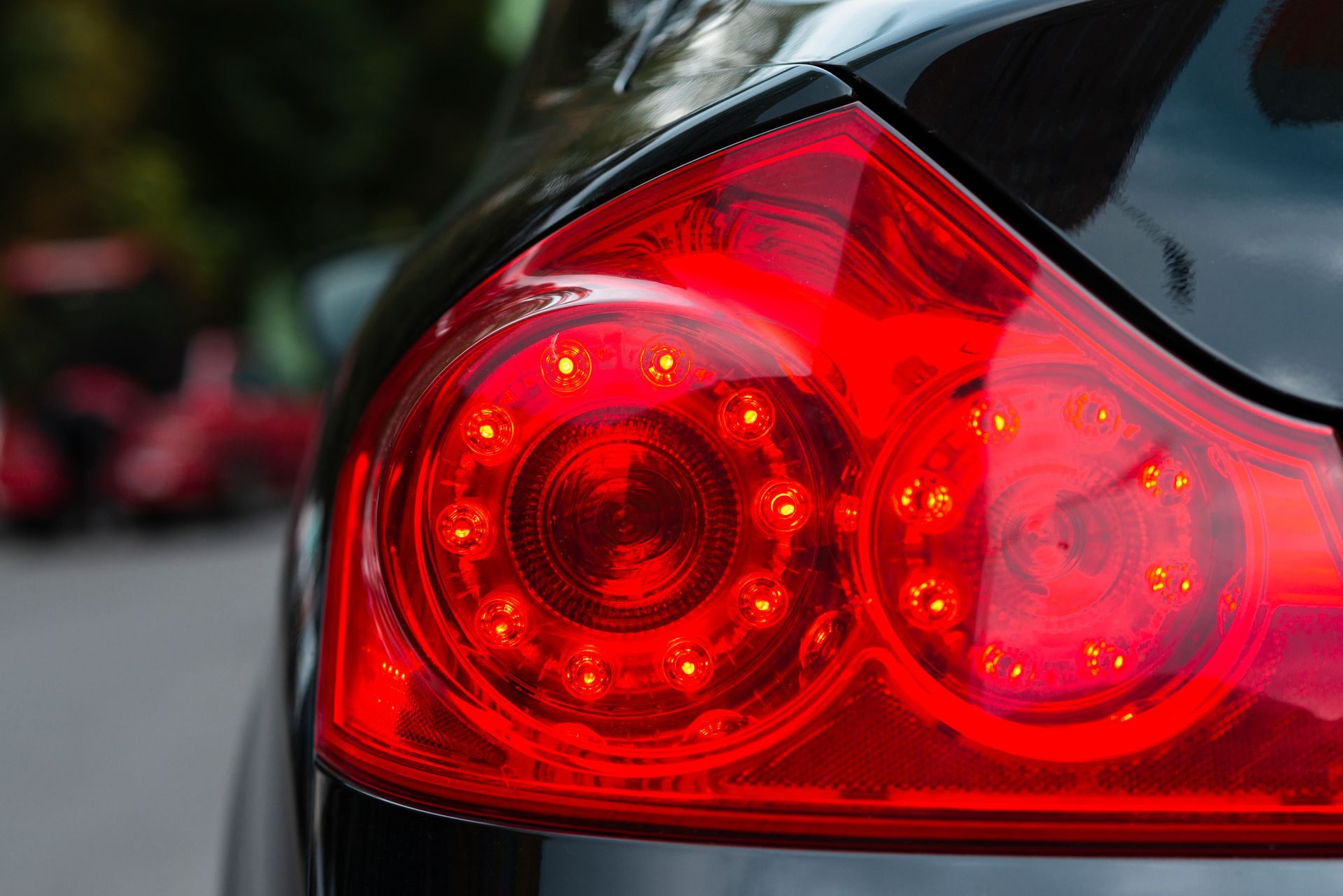
When it comes to staying safe on the road, you cannot underestimate the power of being seen. Whether you are driving a work truck at night, hauling equipment in the rain, or simply wanting extra visibility during your commute, LED vehicle safety lighting has completely changed the game. These lights are not just bright. They are smart, efficient, and designed to keep you and everyone around you safer.


In this post, we are going to break down why LED vehicle safety lighting matters and why investing in quality vehicle safety lighting products can save you from accidents and headaches. So buckle up, because safety has never looked this bright.

Why Visibility Equals Safety

If you have ever driven down a dark road with poor lighting, you know how nerve-wracking it can be. Visibility is not just a convenience. It is a safety requirement. Proper vehicle safety lighting means:

  • Other drivers see you clearly.
  • Pedestrians know you are coming.
  • Hazards on the road are easier to spot in time.

The truth is, many accidents happen because someone did not see something soon enough. LED vehicle safety lighting reduces that risk dramatically. The crisp white light is closer to daylight, which makes it easier for your eyes to adjust and spot details on the road.


And let’s be real: nobody likes the panic of realizing you did not notice that pothole until it was too late. With LED lights, that “oops” moment is far less likely.

Key Benefits of LED Vehicle Safety Lighting Products

Let’s dive deeper into what makes LED vehicle safety lighting products worth the investment.

  • Increased Road Safety: The brightness and clarity of LED lights provide a clear view of surroundings, minimizing blind spots and making sure you are noticed.
  • Low Maintenance: Once installed, LEDs require very little attention. No more constantly replacing burnt-out bulbs.
  • Energy Saving: LEDs are efficient, pulling less power while providing stronger illumination. This is especially beneficial for work vehicles that run multiple safety lighting systems at once.
  • Weather Resistance: Whether it is pouring rain, heavy fog, or dusty conditions, LED vehicle safety lighting products hold up under pressure and keep performing.
  • Professional Appearance: Let’s be honest. They also look great. LED lights give your vehicle a modern, polished look that shows you take safety seriously.

Switching to LED is not just a smart choice. It is a move that says, “I care about safety, and I want my vehicle to be prepared for whatever comes its way.”

Common Applications of LED Safety Lighting

LED vehicle safety lighting is not one-size-fits-all. There are many applications where these products make a major difference.

  • Emergency Vehicles: Police cars, fire trucks, and ambulances need maximum visibility. LEDs help them respond quickly and safely.
  • Construction and Work Trucks: Whether you are paving roads or hauling equipment, LED work lights keep the job site visible and reduce accidents.
  • Commercial Fleets: Delivery trucks, service vans, and utility vehicles benefit from LED lighting to improve visibility in all conditions.
  • Personal Vehicles: Everyday drivers can also benefit. Adding LED headlights, strobe lights, or dash cams paired with LED lighting enhances safety on daily commutes.

If your vehicle has wheels, there is probably a way to improve it with LED lighting.

The Cost vs. Value of LED Vehicle Safety Lighting

Some drivers hesitate at the upfront cost of LED vehicle safety lighting products. Yes, LEDs are more expensive than traditional bulbs, but the value they provide far outweighs the cost.

  • Longevity: LEDs can last up to 50,000 hours, meaning you may never have to replace them for as long as you own your vehicle.
  • Reduced Maintenance Costs: Fewer replacements mean less money spent on parts and labor.
  • Improved Safety: Avoiding even one accident saves you far more than the cost of LEDs.

It is like buying a high-quality pair of boots. You might pay more up front, but they last longer, keep you safer, and perform better than the cheap pair you would have to replace every season.

Final Thoughts: Why LED Vehicle Safety Lighting Is a Smart Move

At the end of the day, LED vehicle safety lighting is more than just an upgrade. It is peace of mind. Whether you are driving at night, in bad weather, or through a busy job site, these lights help protect you, your passengers, and others on the road.


Being proactive about safety is always smarter than dealing with the consequences of not being prepared. So if you have been on the fence about making the switch, let this be your sign. Safety should not be optional.

Call Today for Professional LED Vehicle Safety Lighting in Porter TX

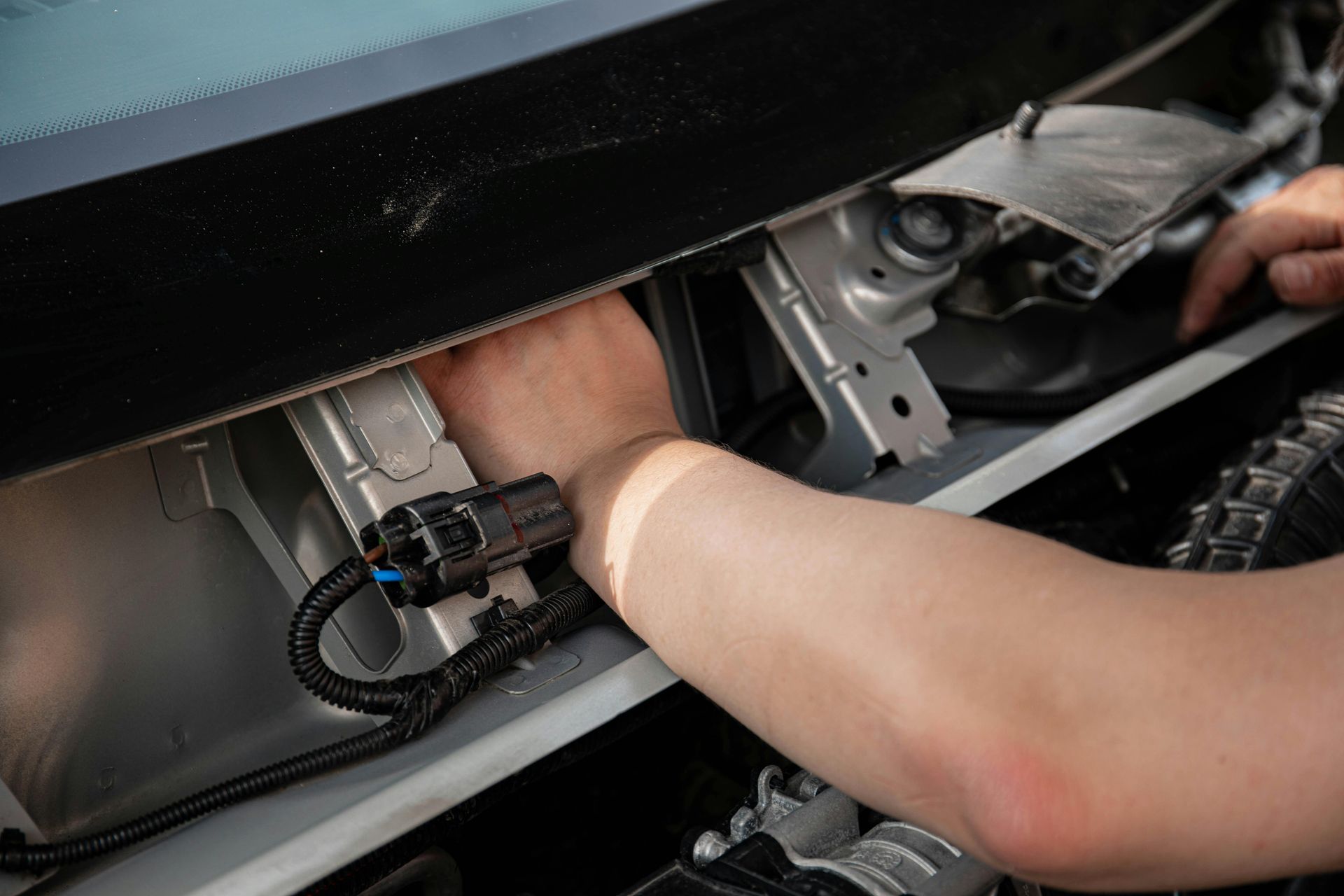
Upgrading to LED vehicle safety lighting is one of the smartest decisions you can make for your vehicle and your peace of mind. At BJL Lighting, we provide top-quality installation and reliable service in Porter, TX, and the surrounding areas. Call us today at (936) 701-9991 to learn more about how we can outfit your vehicle with the latest in safety lighting technology.


But that is not all we offer. Along with professional LED lighting, our team can also help with work lights, truck cameras, dash cams, DVR systems, and strobe lights. No matter your needs, we have the right vehicle safety lighting products to keep you safe and visible on the road.

FAQs

  • How long do LED vehicle safety lights last?

    Most LED vehicle safety lighting products last up to 50,000 hours, which means years of reliable performance with minimal maintenance.

  • Can I install LED safety lights on my personal car or are they just for work trucks?

    LED safety lighting works for both. Whether you drive a personal vehicle, work truck, or commercial fleet, LEDs improve visibility and safety.

  • Are LED safety lights weather resistant?

    Yes. Quality LED vehicle safety lighting products are built to withstand rain, snow, dust, and vibration.

  • Do LED lights drain my battery faster?

    Actually, the opposite is true. LEDs use less power than traditional bulbs, making them more efficient and easier on your battery.

  • Why should I choose BJL Lighting for installation?

    We specialize in professional installation, high-quality products, and customer-focused service. Plus, we are local to Porter, TX, so you know you are getting trusted experts who care about your safety.

By Brandon Laughlin March 12, 2026
The body content of your post goes here. To edit this text, click on it and delete this default text and start typing your own or paste your own from a different source.
By Brandon Laughlin March 5, 2026
Fleet Maintenance Tips: When It’s Time for a Lighting or Upfit Upgrade Fleet vehicles are essential assets for many businesses. Whether you operate service vans, construction trucks, municipal vehicles, or utility fleets, your vehicles support the daily work that keeps your business moving forward. Maintaining them properly is critical for safety, efficiency, and long-term reliability. One area that often receives less attention during regular maintenance is vehicle lighting and upfitting systems. While engines, brakes, and tires are checked frequently, lighting systems, tool storage solutions, and installed equipment may slowly wear down or become outdated without immediate notice. Recognizing when it is time to upgrade lighting or improve vehicle upfitting can make a significant difference in how efficiently and safely your fleet operates. With the right maintenance approach, fleet managers can identify potential issues early and keep vehicles performing at their best. Why Lighting and Upfitting Systems Require Regular Attention Vehicle lighting and upfitting systems are exposed to constant use and harsh working conditions. Fleet vehicles often travel long distances, operate in extreme weather, and carry heavy equipment. These conditions place stress on both electrical components and installed hardware. Vibration from road travel can gradually loosen mounting points and electrical connections. Exposure to rain, dust, and road debris can damage light housings and wiring. Storage systems that once worked well may become inefficient as equipment and workflows evolve. Without regular inspections and updates, fleets may begin to experience reduced lighting visibility, electrical problems, or disorganized storage that slows down crews in the field. Over time these issues can affect safety, productivity, and equipment lifespan. By treating lighting and upfitting as part of routine fleet maintenance, businesses can prevent small problems from becoming larger operational challenges. Recognizing When Fleet Lighting Needs an Upgrade Lighting systems play a crucial role in keeping drivers and roadside workers visible to surrounding traffic. If lighting performance begins to decline, the risk of accidents increases. One of the first signs that lighting may need attention is reduced brightness. Warning lights and work lights that once appeared bright and highly visible may gradually dim as components age. When lighting becomes harder to see from a distance, it becomes less effective at alerting other drivers. Frequent bulb replacements can also indicate that a lighting system is reaching the end of its useful life. Traditional lighting technologies often require more maintenance over time, which can lead to repeated repairs and added costs. Physical damage is another warning sign. Cracked or weathered light housings can allow moisture to enter the system, leading to electrical problems or lighting failure. Sun exposure, road debris, and harsh weather conditions can all contribute to this type of damage. Fleet managers should also pay attention to visibility during daytime operations. Older lighting systems may not be bright enough to stand out in strong sunlight. Upgrading to modern LED lighting can significantly improve visibility in both daytime and nighttime conditions. When Vehicle Upfitting No Longer Supports Your Workflow Lighting is only one part of a vehicle’s functionality. Over time, the storage systems and equipment installed in a vehicle may also become outdated or inefficient. As businesses grow and crews adopt new tools or materials, the original vehicle layout may no longer meet operational needs. Workers may struggle to store new equipment, or they may spend time rearranging tools to access what they need. Disorganization inside a vehicle is often a sign that the current upfit is no longer optimized for the job. Technicians may waste time searching for tools or moving equipment around before beginning their work. Shifting cargo during transport can also indicate that storage systems are insufficient. Tools and materials that move around inside the vehicle are more likely to become damaged. In addition, unsecured equipment can create safety risks for drivers. Upgrading shelving systems, cargo management solutions, or tool storage compartments can restore organization and improve workflow for technicians in the field. Electrical System Challenges Modern fleet vehicles often rely on multiple electrical components to support daily operations. Safety lighting, camera systems, charging equipment, and power inverters all draw energy from the vehicle’s electrical system. If a vehicle’s electrical system becomes overloaded, it may begin to show warning signs. Lights may flicker or fail intermittently. Batteries may drain faster than expected, particularly when vehicles are idle. Electrical components may stop functioning properly when multiple systems are in use. These problems may indicate that the vehicle’s electrical capacity no longer supports the installed equipment. In some cases, upgrading lighting systems to energy-efficient LED technology can help reduce electrical strain. In other cases, installing auxiliary battery systems or improved power management solutions may be necessary. Addressing electrical issues early helps prevent larger failures that could leave vehicles out of service. Staying Compliant With Safety Regulations Another important reason to upgrade lighting and upfitting systems is regulatory compliance. Transportation safety standards can change over time, and new regulations may require updated lighting systems or improved visibility for certain types of vehicles. Businesses that operate construction vehicles, roadside service fleets, or utility vehicles must ensure their safety lighting meets local and state guidelines. Failure to comply with these requirements can lead to fines or operational restrictions. Upgrading lighting systems not only improves safety but also helps businesses remain compliant with evolving regulations. Working with experienced lighting and upfitting professionals can help fleet managers ensure that their vehicles meet current safety standards. Why Many Fleets Transition to LED Lighting One of the most common lighting upgrades today involves transitioning from traditional lighting systems to LED technology. LED lighting offers several advantages that make it particularly well suited for commercial vehicles. LED lights produce strong, consistent brightness that improves vehicle visibility in low-light conditions. They also consume less power than traditional lighting systems, which helps reduce strain on the vehicle’s electrical system. Another advantage is durability. LED lights are designed to withstand vibration and demanding environments, which makes them ideal for work vehicles that operate on rough roads or construction sites. Because LED lighting systems typically last longer than traditional bulbs, they also reduce maintenance requirements and replacement costs over time. For many fleets, upgrading to LED lighting provides both safety improvements and long-term cost savings. Reducing Downtime With Mobile Installation Services Fleet managers often hesitate to upgrade lighting or equipment because taking vehicles out of service can disrupt operations. Mobile installation services help solve this challenge by bringing installation technicians directly to the fleet location. Instead of transporting vehicles to a shop, upgrades can be completed on-site. This allows businesses to install new lighting systems, storage solutions, or safety equipment while minimizing downtime. Mobile installation is particularly helpful for companies managing multiple vehicles. Upgrades can be scheduled in phases, allowing the fleet to remain operational while improvements are made. By reducing downtime, mobile installation helps businesses maintain productivity while still investing in vehicle upgrades. Creating a Routine Inspection Process One of the best ways to determine when upgrades are needed is by incorporating lighting and upfitting inspections into regular vehicle maintenance routines. During these inspections, fleet managers or technicians should evaluate lighting performance and verify that warning lights are operating properly. They should also check for signs of damage to light housings, wiring, or mounting points. Storage systems and cargo management equipment should also be inspected to ensure they remain secure and functional. Any signs of loosened hardware or shifting equipment should be addressed quickly. Electrical connections should be reviewed to confirm that installed equipment is operating safely and efficiently. Routine inspections allow businesses to identify potential upgrades early and keep vehicles in optimal condition. Final Thoughts Fleet vehicles play a vital role in daily business operations. Keeping them well maintained ensures that crews can work safely and efficiently in the field. Lighting systems and vehicle upfits are key components of a well-functioning fleet. When these systems become outdated, damaged, or inefficient, upgrading them can significantly improve both safety and productivity. Fleet managers who regularly evaluate their vehicles for lighting and upfitting improvements create safer working environments while supporting long-term operational success. When work vehicles are properly equipped and maintained, they become powerful tools that help crews perform their jobs with confidence and efficiency. Frequently Asked Questions (FAQ) How often should fleet lighting systems be inspected? Fleet lighting should be checked regularly as part of routine vehicle maintenance. Many companies inspect lighting during scheduled service intervals or monthly fleet checks. When should safety lighting be replaced? Lighting should be replaced when brightness decreases, components become damaged, or the system becomes unreliable. Upgrading to LED lighting can also improve performance and longevity. What are the advantages of LED safety lighting? LED lights offer stronger brightness, longer lifespan, and lower energy consumption compared to traditional lighting systems. They also perform well in harsh environments. How do I know if my fleet vehicles need an upfit upgrade? Signs include disorganized storage, tools shifting during transport, limited space for new equipment, and electrical strain from added devices. If vehicles are slowing down workflow, it may be time to upgrade. Does improved lighting make work vehicles safer? Yes. Brighter warning lights increase vehicle visibility and help alert other drivers sooner, which reduces the risk of accidents in roadside or work-zone environments. Can vehicle upfits be customized? Yes. Upfitting solutions are typically designed around the specific needs of each industry and the type of work performed by the crew. Is mobile installation available for lighting and upfitting upgrades? Many providers offer mobile installation services that allow upgrades to be completed at the fleet location, helping reduce downtime and keep vehicles operational.
By Brandon Laughlin February 26, 2026
Most work vehicles leave the factory designed for general use. They can transport people and cargo, but they are rarely optimized for the real demands of a professional job site. For businesses that rely on their vehicles every day, that gap between standard and specialized can mean wasted time, safety risks, and lost productivity. Vehicle upfitting bridges that gap. By transforming a basic truck or van into a purpose-built work platform, companies can improve efficiency, enhance safety, and give their crews the tools they need to perform at their best. Smart upfits turn vehicles into mobile workstations. They organize equipment, increase visibility, improve safety, and make day-to-day operations smoother. Whether you run a construction fleet, service vehicles, utility trucks, or municipal units, the right upfit can dramatically change how your team works in the field. This guide explores how strategic upfitting takes a standard vehicle and turns it into a specialist machine built for real-world performance. What Vehicle Upfitting Really Means Vehicle upfitting refers to modifying a vehicle after it leaves the manufacturer so that it better supports a specific industry or type of work. Rather than forcing technicians or crews to adapt their process around a generic vehicle layout, upfitting adapts the vehicle to match the job. For many businesses, a work vehicle acts as a mobile headquarters. Technicians rely on it to carry tools, power equipment, organize supplies, and maintain visibility while working near traffic or in hazardous environments. When a vehicle is properly upfitted, every part of it contributes to a smoother workflow. Upfits can include safety lighting systems, tool storage solutions, ladder racks, power systems, camera technology, work lighting, and many other specialized components. Each upgrade is designed to improve efficiency and safety while helping crews work more effectively in the field. Instead of being just a mode of transportation, the vehicle becomes an integrated part of the work process. Why Standard Vehicles Often Fall Short A factory-stock truck or cargo van may appear ready for work, but real-world job demands quickly expose its limitations. Without organization systems, tools often end up piled together in the back of a vehicle. Workers spend valuable time searching for the right equipment or reorganizing items before starting a job. Poor lighting is another common problem. Many vehicles are not equipped to support nighttime work, roadside repairs, or low-light environments. Without proper safety lighting, drivers and crews may be harder to see when operating near traffic. Cargo management is another issue. Tools and materials may shift during transport, which can lead to damaged equipment or unsafe driving conditions. Over time these small inefficiencies accumulate. Crews lose minutes at every job site. Tools experience unnecessary wear. Drivers face increased safety risks. Vehicle upfitting addresses these problems by designing the vehicle around how crews actually work. Safety Lighting as the Foundation of a Professional Upfit One of the most important upgrades any work vehicle can receive is a safety lighting system. Visibility plays a critical role in protecting drivers and workers, especially when operating near roadways or in low-light environments. Safety lighting helps alert surrounding traffic that a vehicle is present, stopped, or actively working. Bright warning lights improve awareness for approaching drivers and reduce the likelihood of accidents in roadside situations. Modern lighting systems often use LED technology because it provides stronger brightness, longer lifespan, and lower energy consumption compared to older lighting systems. These lights remain visible in daylight and harsh weather conditions, making them ideal for demanding work environments. For many fleets, upgrading safety lighting is the first step in transforming a standard vehicle into a professional work unit. Organized Storage Improves Efficiency on Every Job Another major advantage of vehicle upfitting is improved organization. When tools and equipment are properly stored, technicians can access what they need immediately without wasting time searching through clutter. Shelving systems, drawers, and compartment solutions help keep everything in its place. These systems are often designed with adjustable layouts that can adapt to different tools and materials. An organized vehicle also protects equipment during transport. Tools remain secure instead of shifting around while the vehicle is moving. This reduces the risk of damage and keeps the workspace safer for technicians. Over time, even small improvements in organization can have a meaningful impact on productivity. When technicians save time on every job, those minutes quickly add up to hours of increased efficiency each week. Carrying Equipment Safely With Cargo and Rack Systems Many trades rely on materials and equipment that are too large to store inside a vehicle. Ladders, conduit, pipes, and construction materials often need secure exterior storage solutions. Ladder racks and cargo systems allow work vehicles to safely transport oversized equipment without compromising interior storage space. Modern rack systems are designed to be lightweight, durable, and easy to access. Secure cargo management also improves road safety. When materials are properly mounted and secured, they are far less likely to shift during travel. This protects both the vehicle and the surrounding traffic. For companies that frequently transport large equipment, cargo management upgrades are a critical component of a smart upfit. Power Systems That Turn Vehicles Into Mobile Workstations Many crews rely on power tools and electronic equipment throughout the day. Instead of carrying separate generators, some work vehicles are upgraded with integrated power systems. These systems allow workers to charge batteries, operate tools, and power equipment directly from the vehicle. With built-in power capabilities, the vehicle becomes a fully functional mobile workstation. This type of upgrade is especially valuable for service technicians and contractors who work in locations where electrical access may not be available. Having reliable power built into the vehicle allows crews to work efficiently without additional equipment. By integrating power systems into the vehicle itself, companies can streamline their operations and reduce the need for extra gear. Driver Safety and Visibility Technology Fleet safety has become a growing priority for businesses in many industries. Modern upfitting solutions often include camera systems that improve driver awareness and provide valuable documentation. Rear-view cameras help drivers safely navigate tight spaces and avoid obstacles while backing up. Additional camera systems can monitor blind spots or record driving activity. In the event of an accident, recorded footage can provide important evidence that helps protect businesses from liability. These systems also encourage safer driving habits by increasing driver accountability. As fleet safety technology continues to evolve, many companies are incorporating these systems as part of their vehicle upgrades. Reducing Downtime With Mobile Installation Upgrading fleet vehicles can sometimes create operational challenges, especially when multiple vehicles need to be taken out of service for installation work. Mobile upfitting services help solve this problem. Instead of requiring vehicles to travel to a shop, mobile installation brings technicians directly to the fleet location. Lighting systems, storage solutions, and safety equipment can be installed on-site while minimizing downtime. This approach is particularly valuable for businesses with large fleets that cannot afford to remove multiple vehicles from service at the same time. By performing installations at the fleet location, companies can continue operating while upgrades are completed. Custom Solutions Designed Around Your Industry Every industry has unique vehicle requirements. A construction company may need heavy cargo management and lighting systems, while service technicians may prioritize organized tool storage and onboard power systems. Effective upfitting begins with understanding how the vehicle will be used each day. Custom solutions ensure that every upgrade supports the workflow of the crew operating the vehicle. Utility fleets, contractors, municipalities, and service companies all benefit from vehicles designed around their specific operational needs. When the vehicle layout aligns with the job requirements, crews can work faster and more safely. The Long-Term Value of Smart Upfitting Vehicle upfitting is not just about convenience. It is a strategic investment in safety, efficiency, and professionalism. Well-designed work vehicles reduce wasted time, protect valuable tools, and create safer working conditions for drivers and technicians. They also present a more professional image to customers and clients. As businesses grow and technology evolves, upgrading vehicle lighting and equipment helps ensure that fleets continue to support modern work demands. A thoughtfully upfitted vehicle does far more than carry equipment from one job to another. It becomes an essential tool that supports the people doing the work. Frequently Asked Questions (FAQ) What is vehicle upfitting? Vehicle upfitting is the process of modifying a standard vehicle with specialized equipment such as lighting systems, storage solutions, ladder racks, or power systems so that it better supports a specific job or industry. What types of businesses benefit from vehicle upfitting? Industries such as construction, utilities, plumbing, electrical work, HVAC service, and municipal operations all benefit from vehicles that are customized for their workflow. How long does a vehicle upfit typically take? The timeline depends on the complexity of the upgrades. Simple lighting installations may take only a few hours, while larger projects involving storage systems and electrical equipment may take longer. Are LED safety lights better than traditional lights? Yes. LED lighting systems are brighter, more energy efficient, and longer lasting than traditional halogen lights, making them ideal for demanding commercial environments. Can upfits be customized for different types of work vehicles? Yes. Professional upfitting providers design solutions based on the specific needs of the business and the type of work the vehicle performs. Does upfitting affect the vehicle warranty? Many professional installers design their systems in ways that preserve manufacturer warranties. Working with experienced technicians helps ensure installations meet vehicle standards. Is mobile installation available for fleet upgrades? Many upfitting providers offer mobile installation services that allow lighting systems and equipment to be installed directly at the fleet location, reducing downtime and keeping vehicles on the road.
By Brandon Laughlin February 19, 2026
When you manage a fleet, safety is not optional. It is operational strategy. It is brand protection. It is liability reduction. And it is one of the fastest ways to protect your people, your equipment, and your bottom line. Vehicle safety lighting is one of the most powerful and often overlooked investments a fleet owner can make. Whether you operate construction trucks, utility vehicles, municipal units, service vans, or emergency response vehicles, proper lighting can dramatically reduce risk while improving efficiency and professionalism. This guide breaks down everything fleet owners need to know about vehicle safety lighting, from compliance to technology to installation best practices. Why Vehicle Safety Lighting Matters More Than Ever Traffic congestion is increasing. Work zones are busier. Distracted driving is a daily reality. Visibility is your first line of defense. High-quality safety lighting does three essential things: Prevents accidents Improves worker safety Reduces liability exposure If your vehicle is stopped roadside, operating in low light, entering traffic, or working in an active zone, lighting ensures other drivers see you before it is too late. For many fleets, lighting is not just a recommendation. It is a compliance requirement. Federal, state, and local regulations often mandate specific lighting types, colors, and placements depending on vehicle class and industry. Investing in the right system is not just about brightness. It is about strategic visibility. Types of Vehicle Safety Lighting Every Fleet Should Understand Not all lighting serves the same purpose. The most effective fleets use layered systems. Warning Lights Warning lights are designed to attract attention quickly. These include: Light bars Strobe lights Beacons Grill lights Surface-mounted LEDs Amber lighting is common for construction and utility fleets. Red and blue are typically reserved for emergency vehicles, depending on jurisdiction. Choosing the right color and flash pattern is essential for compliance. Work Lights Work lights illuminate the job site, not just the vehicle. These are critical for: Night operations Roadside repairs Construction environments Utility maintenance High-output LED work lights provide powerful, wide-area illumination with lower power consumption. Scene and Perimeter Lighting Scene lighting enhances visibility around the entire vehicle. This reduces trip hazards and increases awareness in tight environments. Interior Safety Lighting Interior lighting upgrades improve organization and reduce risk when accessing tools and equipment at night. A comprehensive lighting strategy often combines multiple systems working together. LED vs. Traditional Lighting: Why Most Fleets Upgrade Modern fleets overwhelmingly choose LED lighting for one reason: performance. LED safety lighting offers: Longer lifespan Lower energy consumption Higher brightness output Faster activation Greater durability Traditional halogen systems generate more heat and require more frequent replacement. LEDs are engineered for vibration resistance and harsh conditions, making them ideal for commercial vehicles. For fleet owners calculating long-term ROI, LEDs typically win on maintenance cost and downtime reduction alone. Compliance and Legal Considerations Fleet owners must consider regulations at multiple levels: Federal motor vehicle standards State transportation codes Industry-specific requirements Work zone safety regulations Improper lighting color or flash pattern can result in citations. Incorrect mounting positions can reduce effectiveness and increase risk. Working with experienced upfitters ensures lighting systems are compliant and optimized for your operational needs. Documentation also matters. Keeping records of installations and specifications protects you during inspections and liability disputes. Strategic Lighting Placement: It Is Not Just About Brightness More lights do not automatically mean more safety. Strategic placement ensures: 360-degree visibility Proper front and rear warning Effective side alerting Minimized blind spots Low-profile light bars may work best for highway vehicles. Surface-mounted strobes might be ideal for service vans. Rear directional lighting can dramatically reduce rear-end collisions in roadside operations. Professional upfitting ensures lighting enhances safety without obstructing aerodynamics or vehicle functionality. The Productivity Impact of Proper Upfitting Lighting is not just about emergencies. It improves workflow. Well-lit vehicles allow crews to: Start earlier Finish later Operate more efficiently Reduce setup time When lighting integrates seamlessly with shelving, tool storage, camera systems, and power management systems, the entire vehicle becomes a mobile command center. Mobile installation services further reduce downtime by bringing professional upfitting directly to your fleet location. That means less time off the road and more operational continuity. Common Mistakes Fleet Owners Make Understanding common pitfalls can help you avoid expensive corrections later. Choosing Based on Price Alone Cheap lighting systems often fail prematurely or lack brightness standards. Ignoring Power Management Overloading a vehicle’s electrical system can cause system failures and battery drain. Skipping Professional Installation Improper wiring increases fire risk and voids warranties. Failing to Plan for Growth Upfitting should allow for future expansion, including camera systems or additional lighting modules. A strategic, long-term approach saves money and reduces operational friction. How to Evaluate a Lighting Partner Choosing the right provider matters as much as choosing the right equipment. Look for: Experience with commercial fleets Knowledge of compliance standards Customization capabilities Mobile installation options Ongoing service support A knowledgeable lighting and upfitting partner understands your industry and helps you design solutions that scale. Fleet lighting is not a one-size-fits-all purchase. It is an engineered safety system. The Future of Fleet Safety Lighting Technology continues to evolve rapidly. Emerging trends include: Smart lighting controls Integrated camera and lighting systems Programmable flash patterns Telematics-connected safety alerts Energy-efficient power management systems Fleet managers who adopt modern systems position themselves ahead of compliance shifts and insurance trends. Insurance carriers increasingly view safety upgrades as risk mitigation tools. Proper lighting may contribute to favorable underwriting decisions. The future is integrated, intelligent, and visibility-focused. Final Thoughts Vehicle safety lighting is one of the highest ROI investments a fleet owner can make. It protects drivers, reduces accidents, improves compliance, enhances productivity, and elevates professional image. The difference between basic lighting and strategic lighting is the difference between being visible and being unmistakable. Fleet owners who treat lighting as infrastructure rather than an accessory create safer roads for everyone. Frequently Asked Questions (FAQ) What color safety lights should my fleet use? It depends on your industry and local regulations. Amber is common for construction, utility, and service fleets. Red and blue are typically restricted to emergency vehicles. Always verify state and municipal regulations before installation. Are LED lights worth the investment? Yes. LEDs last significantly longer than halogen systems, consume less power, and provide superior brightness. Over time, they reduce maintenance and downtime costs. How long does a professional lighting installation take? Installation time varies depending on vehicle type and system complexity. Basic lighting upgrades can often be completed in a single day, while full upfits may require additional time. Can safety lighting drain my vehicle battery? Improper installation can strain electrical systems. Professional upfitters use power management solutions to ensure lighting systems operate efficiently without damaging the vehicle. Do I need work lights if I already have warning lights? Yes. Warning lights increase visibility to other drivers. Work lights illuminate the job site for your crew. They serve different purposes and often work best together. Is mobile installation better than bringing vehicles to a shop? Mobile installation reduces downtime and keeps your fleet operational. It is especially beneficial for large fleets that cannot afford to pull multiple vehicles off the road at once. How often should safety lighting be inspected? Routine inspections should be conducted during regular vehicle maintenance. Checking connections, flash patterns, and brightness ensures continued compliance and performance.
December 6, 2025
Enhance road awareness and prevent accidents with advanced LED vehicle safety lighting. Learn how BJL Lighting LLC in Porter, TX improves visibility and driver safety.
expert vehicle work lights installation in Porter TX
November 20, 2025
Discover the best vehicle work lights for professionals, learn how to choose the right LED vehicle work lights, and find out why work lights installation matters!
commercial vehicle safety lighting in Porter TX
October 29, 2025
Discover the top commercial vehicle safety lighting products every fleet needs. From LED work lights to truck cameras, BJL Lighting keeps your vehicles safe!
White semi-truck driving on a wet road with a cloudy sky in the background.
October 14, 2025
Enhance your vehicle’s performance, safety, and appearance today with advanced LED lighting solutions from BJL Lighting LLC in Porter, TX. Call (936) 701-9991 now!
White Ford pickup truck with emergency lights on. A yellow construction vehicle is visible in the background.
September 30, 2025
Upgrade your ride with professional LED light installation from BJL Lighting LLC in Porter, TX. Enhance safety and performance with expert vehicle LED lighting!
LED vehicle lights in Porter TX
September 12, 2025
Discover how LED vehicle lights improve safety and visibility on the road. Learn the benefits of upgrading to a vehicle LED light system with BJL Lighting in Porter TX.