
BJL Lighting LLC’s Blog
Fleet Maintenance Tips: When It’s Time for a Lighting or Upfit Upgrade

Fleet Maintenance Tips: When It’s Time for a Lighting or Upfit Upgrade
Fleet vehicles are essential assets for many businesses. Whether you operate service vans, construction trucks, municipal vehicles, or utility fleets, your vehicles support the daily work that keeps your business moving forward. Maintaining them properly is critical for safety, efficiency, and long-term reliability.
One area that often receives less attention during regular maintenance is vehicle lighting and upfitting systems. While engines, brakes, and tires are checked frequently, lighting systems, tool storage solutions, and installed equipment may slowly wear down or become outdated without immediate notice.
Recognizing when it is time to upgrade lighting or improve vehicle upfitting can make a significant difference in how efficiently and safely your fleet operates. With the right maintenance approach, fleet managers can identify potential issues early and keep vehicles performing at their best.
Why Lighting and Upfitting Systems Require Regular Attention
Vehicle lighting and upfitting systems are exposed to constant use and harsh working conditions. Fleet vehicles often travel long distances, operate in extreme weather, and carry heavy equipment. These conditions place stress on both electrical components and installed hardware.
Vibration from road travel can gradually loosen mounting points and electrical connections. Exposure to rain, dust, and road debris can damage light housings and wiring. Storage systems that once worked well may become inefficient as equipment and workflows evolve.
Without regular inspections and updates, fleets may begin to experience reduced lighting visibility, electrical problems, or disorganized storage that slows down crews in the field. Over time these issues can affect safety, productivity, and equipment lifespan.
By treating lighting and upfitting as part of routine fleet maintenance, businesses can prevent small problems from becoming larger operational challenges.
Recognizing When Fleet Lighting Needs an Upgrade
Lighting systems play a crucial role in keeping drivers and roadside workers visible to surrounding traffic. If lighting performance begins to decline, the risk of accidents increases.
One of the first signs that lighting may need attention is reduced brightness. Warning lights and work lights that once appeared bright and highly visible may gradually dim as components age. When lighting becomes harder to see from a distance, it becomes less effective at alerting other drivers.
Frequent bulb replacements can also indicate that a lighting system is reaching the end of its useful life. Traditional lighting technologies often require more maintenance over time, which can lead to repeated repairs and added costs.
Physical damage is another warning sign. Cracked or weathered light housings can allow moisture to enter the system, leading to electrical problems or lighting failure. Sun exposure, road debris, and harsh weather conditions can all contribute to this type of damage.
Fleet managers should also pay attention to visibility during daytime operations. Older lighting systems may not be bright enough to stand out in strong sunlight. Upgrading to modern LED lighting can significantly improve visibility in both daytime and nighttime conditions.
When Vehicle Upfitting No Longer Supports Your Workflow
Lighting is only one part of a vehicle’s functionality. Over time, the storage systems and equipment installed in a vehicle may also become outdated or inefficient.
As businesses grow and crews adopt new tools or materials, the original vehicle layout may no longer meet operational needs. Workers may struggle to store new equipment, or they may spend time rearranging tools to access what they need.
Disorganization inside a vehicle is often a sign that the current upfit is no longer optimized for the job. Technicians may waste time searching for tools or moving equipment around before beginning their work.
Shifting cargo during transport can also indicate that storage systems are insufficient. Tools and materials that move around inside the vehicle are more likely to become damaged. In addition, unsecured equipment can create safety risks for drivers.
Upgrading shelving systems, cargo management solutions, or tool storage compartments can restore organization and improve workflow for technicians in the field.
Electrical System Challenges
Modern fleet vehicles often rely on multiple electrical components to support daily operations. Safety lighting, camera systems, charging equipment, and power inverters all draw energy from the vehicle’s electrical system.
If a vehicle’s electrical system becomes overloaded, it may begin to show warning signs. Lights may flicker or fail intermittently. Batteries may drain faster than expected, particularly when vehicles are idle. Electrical components may stop functioning properly when multiple systems are in use.
These problems may indicate that the vehicle’s electrical capacity no longer supports the installed equipment. In some cases, upgrading lighting systems to energy-efficient LED technology can help reduce electrical strain. In other cases, installing auxiliary battery systems or improved power management solutions may be necessary.
Addressing electrical issues early helps prevent larger failures that could leave vehicles out of service.
Staying Compliant With Safety Regulations
Another important reason to upgrade lighting and upfitting systems is regulatory compliance. Transportation safety standards can change over time, and new regulations may require updated lighting systems or improved visibility for certain types of vehicles.
Businesses that operate construction vehicles, roadside service fleets, or utility vehicles must ensure their safety lighting meets local and state guidelines. Failure to comply with these requirements can lead to fines or operational restrictions.
Upgrading lighting systems not only improves safety but also helps businesses remain compliant with evolving regulations. Working with experienced lighting and upfitting professionals can help fleet managers ensure that their vehicles meet current safety standards.
Why Many Fleets Transition to LED Lighting
One of the most common lighting upgrades today involves transitioning from traditional lighting systems to LED technology. LED lighting offers several advantages that make it particularly well suited for commercial vehicles.
LED lights produce strong, consistent brightness that improves vehicle visibility in low-light conditions. They also consume less power than traditional lighting systems, which helps reduce strain on the vehicle’s electrical system.
Another advantage is durability. LED lights are designed to withstand vibration and demanding environments, which makes them ideal for work vehicles that operate on rough roads or construction sites.
Because LED lighting systems typically last longer than traditional bulbs, they also reduce maintenance requirements and replacement costs over time.
For many fleets, upgrading to LED lighting provides both safety improvements and long-term cost savings.
Reducing Downtime With Mobile Installation Services
Fleet managers often hesitate to upgrade lighting or equipment because taking vehicles out of service can disrupt operations. Mobile installation services help solve this challenge by bringing installation technicians directly to the fleet location.
Instead of transporting vehicles to a shop, upgrades can be completed on-site. This allows businesses to install new lighting systems, storage solutions, or safety equipment while minimizing downtime.
Mobile installation is particularly helpful for companies managing multiple vehicles. Upgrades can be scheduled in phases, allowing the fleet to remain operational while improvements are made.
By reducing downtime, mobile installation helps businesses maintain productivity while still investing in vehicle upgrades.
Creating a Routine Inspection Process
One of the best ways to determine when upgrades are needed is by incorporating lighting and upfitting inspections into regular vehicle maintenance routines.
During these inspections, fleet managers or technicians should evaluate lighting performance and verify that warning lights are operating properly. They should also check for signs of damage to light housings, wiring, or mounting points.
Storage systems and cargo management equipment should also be inspected to ensure they remain secure and functional. Any signs of loosened hardware or shifting equipment should be addressed quickly.
Electrical connections should be reviewed to confirm that installed equipment is operating safely and efficiently.
Routine inspections allow businesses to identify potential upgrades early and keep vehicles in optimal condition.
Final Thoughts
Fleet vehicles play a vital role in daily business operations. Keeping them well maintained ensures that crews can work safely and efficiently in the field.
Lighting systems and vehicle upfits are key components of a well-functioning fleet. When these systems become outdated, damaged, or inefficient, upgrading them can significantly improve both safety and productivity.
Fleet managers who regularly evaluate their vehicles for lighting and upfitting improvements create safer working environments while supporting long-term operational success.
When work vehicles are properly equipped and maintained, they become powerful tools that help crews perform their jobs with confidence and efficiency.
Frequently Asked Questions (FAQ)
How often should fleet lighting systems be inspected?
Fleet lighting should be checked regularly as part of routine vehicle maintenance. Many companies inspect lighting during scheduled service intervals or monthly fleet checks.
When should safety lighting be replaced?
Lighting should be replaced when brightness decreases, components become damaged, or the system becomes unreliable. Upgrading to LED lighting can also improve performance and longevity.
What are the advantages of LED safety lighting?
LED lights offer stronger brightness, longer lifespan, and lower energy consumption compared to traditional lighting systems. They also perform well in harsh environments.
How do I know if my fleet vehicles need an upfit upgrade?
Signs include disorganized storage, tools shifting during transport, limited space for new equipment, and electrical strain from added devices. If vehicles are slowing down workflow, it may be time to upgrade.
Does improved lighting make work vehicles safer?
Yes. Brighter warning lights increase vehicle visibility and help alert other drivers sooner, which reduces the risk of accidents in roadside or work-zone environments.
Can vehicle upfits be customized?
Yes. Upfitting solutions are typically designed around the specific needs of each industry and the type of work performed by the crew.
Is mobile installation available for lighting and upfitting upgrades?
Many providers offer mobile installation services that allow upgrades to be completed at the fleet location, helping reduce downtime and keep vehicles operational.
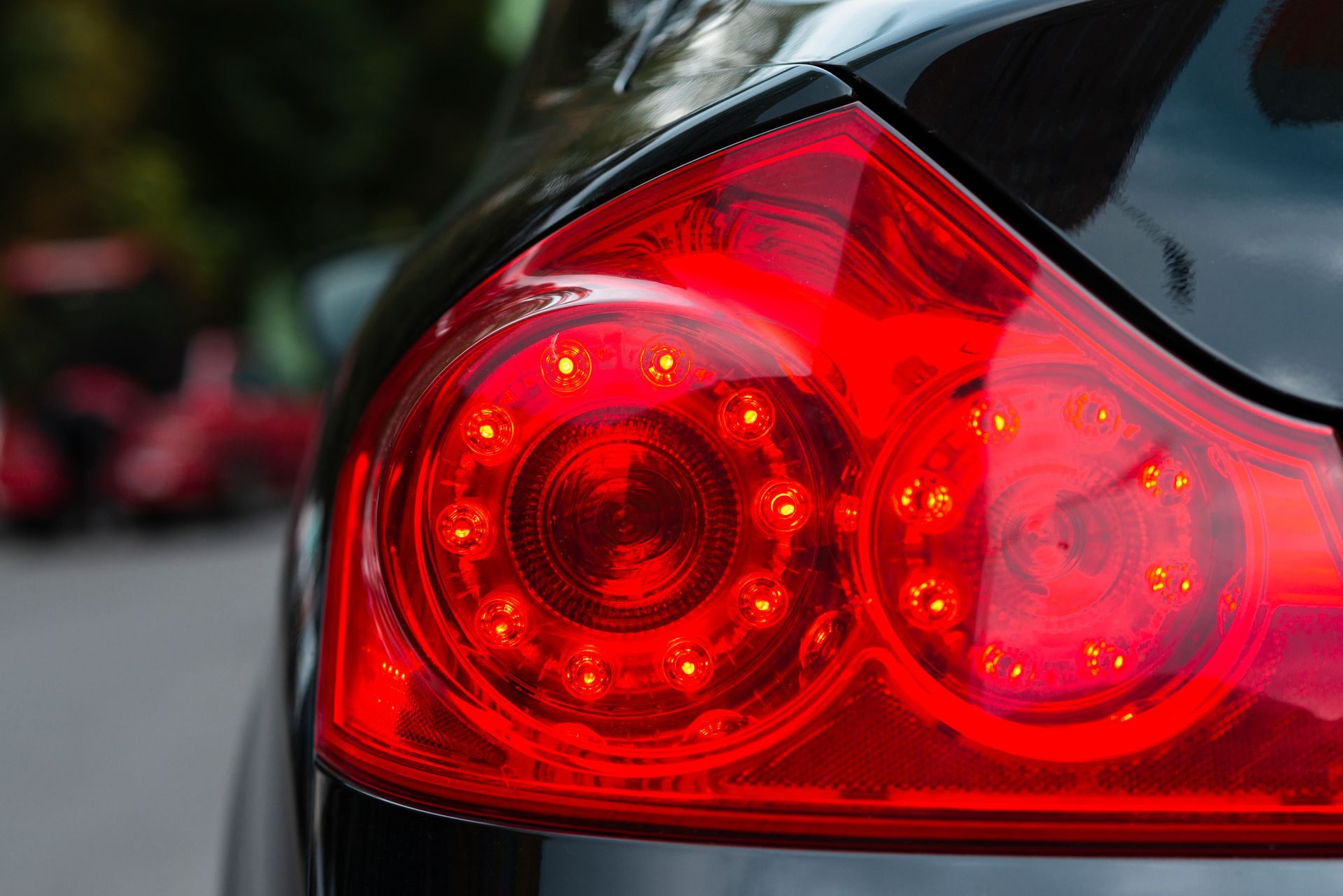
Protect your fleet with professional vehicle safety lighting in Porter, TX. Call BJL Lighting LLC today for a free quote and mobile installation service.

Need LED vehicle work lights for nighttime or off-road jobs? BJL Lighting offers expert mobile work lights installation in Porter, TX. Call today!

Upgrade your vehicle with bright, durable LED lights in Porter, TX. We install vehicle LED lights at your location. Call (936) 701-9991 for a free quote today!
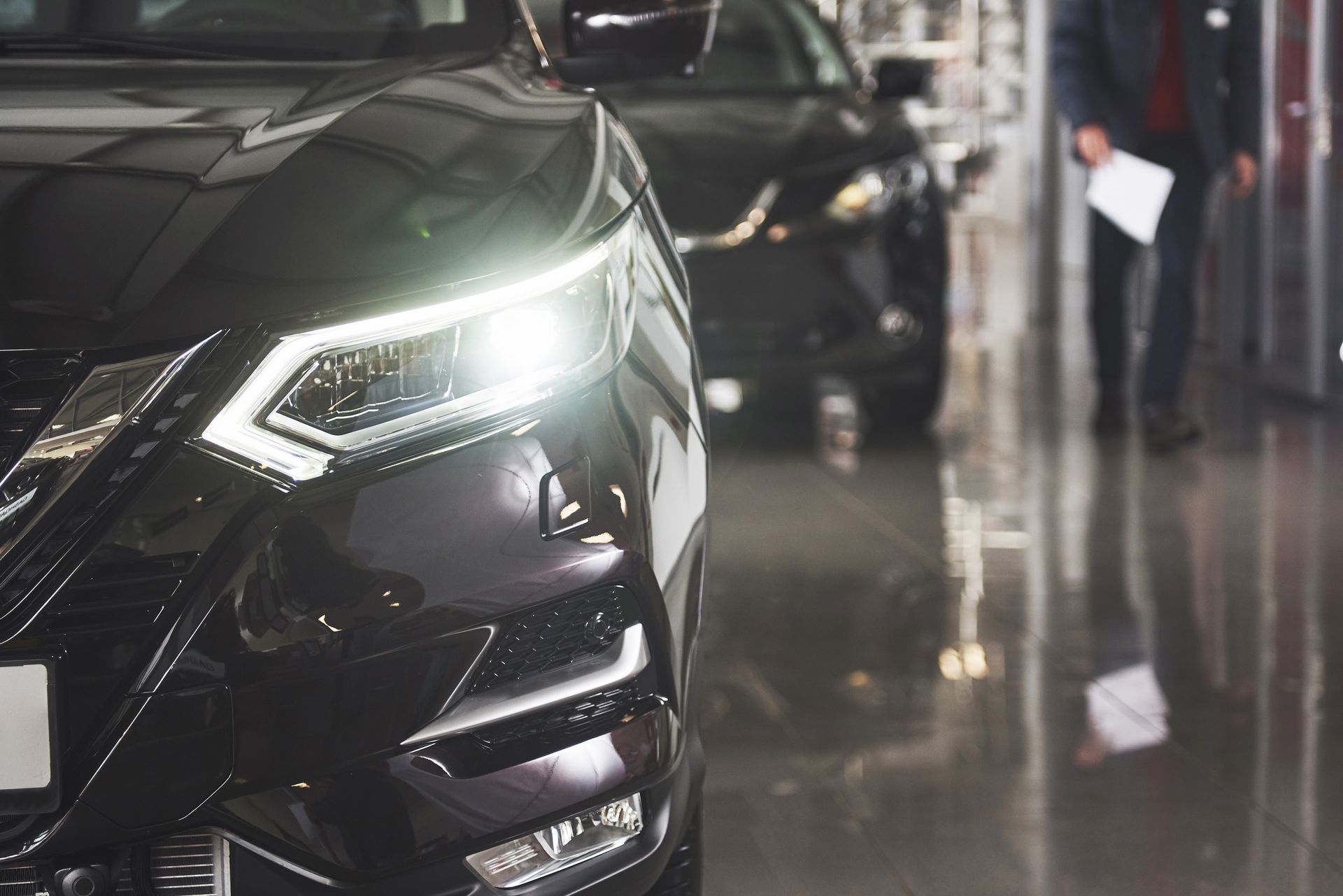
Upgrade your fleet with professional vehicle work lights installation in Porter, TX. BJL Lighting installs LED vehicle work lights to improve nighttime safety!

Explore the best commercial vehicle safety lighting and LED vehicle safety lighting options in Porter, TX. Improve visibility with professional installation!

Learn how modern vehicle safety lighting systems improve visibility, reduce risks, and enhance safety for commercial vehicles and fleets at BJL Lighting!
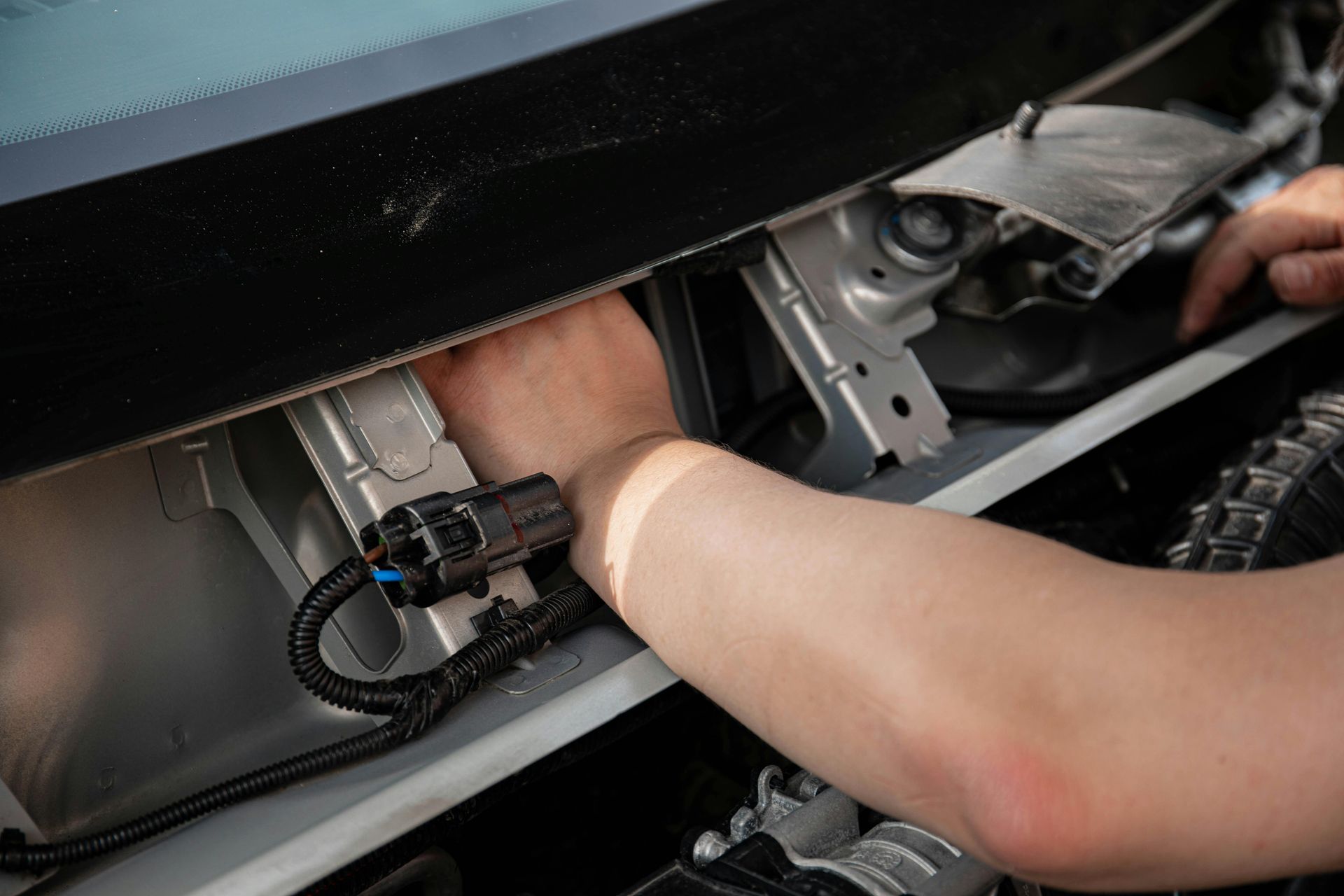
Keeping drivers safe is important for every business that operates commercial vehicles. Whether you manage work trucks, delivery vans, utility vehicles, or construction equipment, safety should always be a top priority. Many accidents happen because drivers cannot see everything around their vehicles. Blind spots, poor visibility, and busy work environments can increase the risk of collisions. This is where vehicle sensor systems can make a big difference. At BJL Lighting , we provide professional vehicle sensor installation services for businesses in Porter, TX. These systems help drivers stay aware of their surroundings and can reduce the risk of accidents on the road and at job sites.

Learn how dash cams and DVR systems work together to improve vehicle security, reduce liability, and protect commercial fleets in Porter, Texas.

Improve driving safety with professional vehicle sensor installation Porter TX services. Learn how modern vehicle sensor systems help protect drivers, fleets, and work vehicles across Texas.

Choose the right vehicle lighting installation for safety with tips on LED lights, strobes, and security systems. Improve visibility and protect your vehicle today!