
BJL Lighting LLC’s Blog
From Standard to Specialist: Smart Upfits That Transform Your Work Vehicles
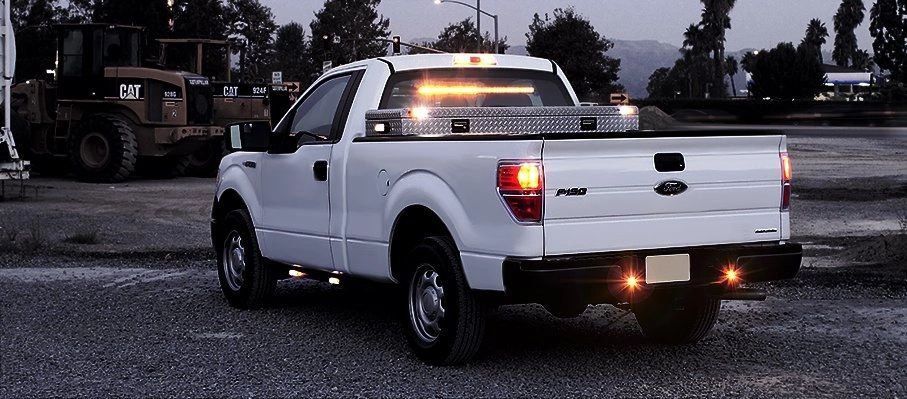
Most work vehicles leave the factory designed for general use. They can transport people and cargo, but they are rarely optimized for the real demands of a professional job site. For businesses that rely on their vehicles every day, that gap between standard and specialized can mean wasted time, safety risks, and lost productivity.
Vehicle upfitting bridges that gap. By transforming a basic truck or van into a purpose-built work platform, companies can improve efficiency, enhance safety, and give their crews the tools they need to perform at their best.
Smart upfits turn vehicles into mobile workstations. They organize equipment, increase visibility, improve safety, and make day-to-day operations smoother. Whether you run a construction fleet, service vehicles, utility trucks, or municipal units, the right upfit can dramatically change how your team works in the field.
This guide explores how strategic upfitting takes a standard vehicle and turns it into a specialist machine built for real-world performance.
What Vehicle Upfitting Really Means
Vehicle upfitting refers to modifying a vehicle after it leaves the manufacturer so that it better supports a specific industry or type of work. Rather than forcing technicians or crews to adapt their process around a generic vehicle layout, upfitting adapts the vehicle to match the job.
For many businesses, a work vehicle acts as a mobile headquarters. Technicians rely on it to carry tools, power equipment, organize supplies, and maintain visibility while working near traffic or in hazardous environments. When a vehicle is properly upfitted, every part of it contributes to a smoother workflow.
Upfits can include safety lighting systems, tool storage solutions, ladder racks, power systems, camera technology, work lighting, and many other specialized components. Each upgrade is designed to improve efficiency and safety while helping crews work more effectively in the field.
Instead of being just a mode of transportation, the vehicle becomes an integrated part of the work process.
Why Standard Vehicles Often Fall Short
A factory-stock truck or cargo van may appear ready for work, but real-world job demands quickly expose its limitations. Without organization systems, tools often end up piled together in the back of a vehicle. Workers spend valuable time searching for the right equipment or reorganizing items before starting a job.
Poor lighting is another common problem. Many vehicles are not equipped to support nighttime work, roadside repairs, or low-light environments. Without proper safety lighting, drivers and crews may be harder to see when operating near traffic.
Cargo management is another issue. Tools and materials may shift during transport, which can lead to damaged equipment or unsafe driving conditions.
Over time these small inefficiencies accumulate. Crews lose minutes at every job site. Tools experience unnecessary wear. Drivers face increased safety risks.
Vehicle upfitting addresses these problems by designing the vehicle around how crews actually work.
Safety Lighting as the Foundation of a Professional Upfit
One of the most important upgrades any work vehicle can receive is a safety lighting system. Visibility plays a critical role in protecting drivers and workers, especially when operating near roadways or in low-light environments.
Safety lighting helps alert surrounding traffic that a vehicle is present, stopped, or actively working. Bright warning lights improve awareness for approaching drivers and reduce the likelihood of accidents in roadside situations.
Modern lighting systems often use LED technology because it provides stronger brightness, longer lifespan, and lower energy consumption compared to older lighting systems. These lights remain visible in daylight and harsh weather conditions, making them ideal for demanding work environments.
For many fleets, upgrading safety lighting is the first step in transforming a standard vehicle into a professional work unit.
Organized Storage Improves Efficiency on Every Job
Another major advantage of vehicle upfitting is improved organization. When tools and equipment are properly stored, technicians can access what they need immediately without wasting time searching through clutter.
Shelving systems, drawers, and compartment solutions help keep everything in its place. These systems are often designed with adjustable layouts that can adapt to different tools and materials.
An organized vehicle also protects equipment during transport. Tools remain secure instead of shifting around while the vehicle is moving. This reduces the risk of damage and keeps the workspace safer for technicians.
Over time, even small improvements in organization can have a meaningful impact on productivity. When technicians save time on every job, those minutes quickly add up to hours of increased efficiency each week.
Carrying Equipment Safely With Cargo and Rack Systems
Many trades rely on materials and equipment that are too large to store inside a vehicle. Ladders, conduit, pipes, and construction materials often need secure exterior storage solutions.
Ladder racks and cargo systems allow work vehicles to safely transport oversized equipment without compromising interior storage space. Modern rack systems are designed to be lightweight, durable, and easy to access.
Secure cargo management also improves road safety. When materials are properly mounted and secured, they are far less likely to shift during travel. This protects both the vehicle and the surrounding traffic.
For companies that frequently transport large equipment, cargo management upgrades are a critical component of a smart upfit.
Power Systems That Turn Vehicles Into Mobile Workstations
Many crews rely on power tools and electronic equipment throughout the day. Instead of carrying separate generators, some work vehicles are upgraded with integrated power systems.
These systems allow workers to charge batteries, operate tools, and power equipment directly from the vehicle. With built-in power capabilities, the vehicle becomes a fully functional mobile workstation.
This type of upgrade is especially valuable for service technicians and contractors who work in locations where electrical access may not be available. Having reliable power built into the vehicle allows crews to work efficiently without additional equipment.
By integrating power systems into the vehicle itself, companies can streamline their operations and reduce the need for extra gear.
Driver Safety and Visibility Technology
Fleet safety has become a growing priority for businesses in many industries. Modern upfitting solutions often include camera systems that improve driver awareness and provide valuable documentation.
Rear-view cameras help drivers safely navigate tight spaces and avoid obstacles while backing up. Additional camera systems can monitor blind spots or record driving activity.
In the event of an accident, recorded footage can provide important evidence that helps protect businesses from liability. These systems also encourage safer driving habits by increasing driver accountability.
As fleet safety technology continues to evolve, many companies are incorporating these systems as part of their vehicle upgrades.
Reducing Downtime With Mobile Installation
Upgrading fleet vehicles can sometimes create operational challenges, especially when multiple vehicles need to be taken out of service for installation work. Mobile upfitting services help solve this problem.
Instead of requiring vehicles to travel to a shop, mobile installation brings technicians directly to the fleet location. Lighting systems, storage solutions, and safety equipment can be installed on-site while minimizing downtime.
This approach is particularly valuable for businesses with large fleets that cannot afford to remove multiple vehicles from service at the same time. By performing installations at the fleet location, companies can continue operating while upgrades are completed.
Custom Solutions Designed Around Your Industry
Every industry has unique vehicle requirements. A construction company may need heavy cargo management and lighting systems, while service technicians may prioritize organized tool storage and onboard power systems.
Effective upfitting begins with understanding how the vehicle will be used each day. Custom solutions ensure that every upgrade supports the workflow of the crew operating the vehicle.
Utility fleets, contractors, municipalities, and service companies all benefit from vehicles designed around their specific operational needs. When the vehicle layout aligns with the job requirements, crews can work faster and more safely.
The Long-Term Value of Smart Upfitting
Vehicle upfitting is not just about convenience. It is a strategic investment in safety, efficiency, and professionalism.
Well-designed work vehicles reduce wasted time, protect valuable tools, and create safer working conditions for drivers and technicians. They also present a more professional image to customers and clients.
As businesses grow and technology evolves, upgrading vehicle lighting and equipment helps ensure that fleets continue to support modern work demands.
A thoughtfully upfitted vehicle does far more than carry equipment from one job to another. It becomes an essential tool that supports the people doing the work.
Frequently Asked Questions (FAQ)
What is vehicle upfitting?
Vehicle upfitting is the process of modifying a standard vehicle with specialized equipment such as lighting systems, storage solutions, ladder racks, or power systems so that it better supports a specific job or industry.
What types of businesses benefit from vehicle upfitting?
Industries such as construction, utilities, plumbing, electrical work, HVAC service, and municipal operations all benefit from vehicles that are customized for their workflow.
How long does a vehicle upfit typically take?
The timeline depends on the complexity of the upgrades. Simple lighting installations may take only a few hours, while larger projects involving storage systems and electrical equipment may take longer.
Are LED safety lights better than traditional lights?
Yes. LED lighting systems are brighter, more energy efficient, and longer lasting than traditional halogen lights, making them ideal for demanding commercial environments.
Can upfits be customized for different types of work vehicles?
Yes. Professional upfitting providers design solutions based on the specific needs of the business and the type of work the vehicle performs.
Does upfitting affect the vehicle warranty?
Many professional installers design their systems in ways that preserve manufacturer warranties. Working with experienced technicians helps ensure installations meet vehicle standards.
Is mobile installation available for fleet upgrades?
Many upfitting providers offer mobile installation services that allow lighting systems and equipment to be installed directly at the fleet location, reducing downtime and keeping vehicles on the road.

Protect your fleet with professional vehicle safety lighting in Porter, TX. Call BJL Lighting LLC today for a free quote and mobile installation service.

Need LED vehicle work lights for nighttime or off-road jobs? BJL Lighting offers expert mobile work lights installation in Porter, TX. Call today!

Upgrade your vehicle with bright, durable LED lights in Porter, TX. We install vehicle LED lights at your location. Call (936) 701-9991 for a free quote today!
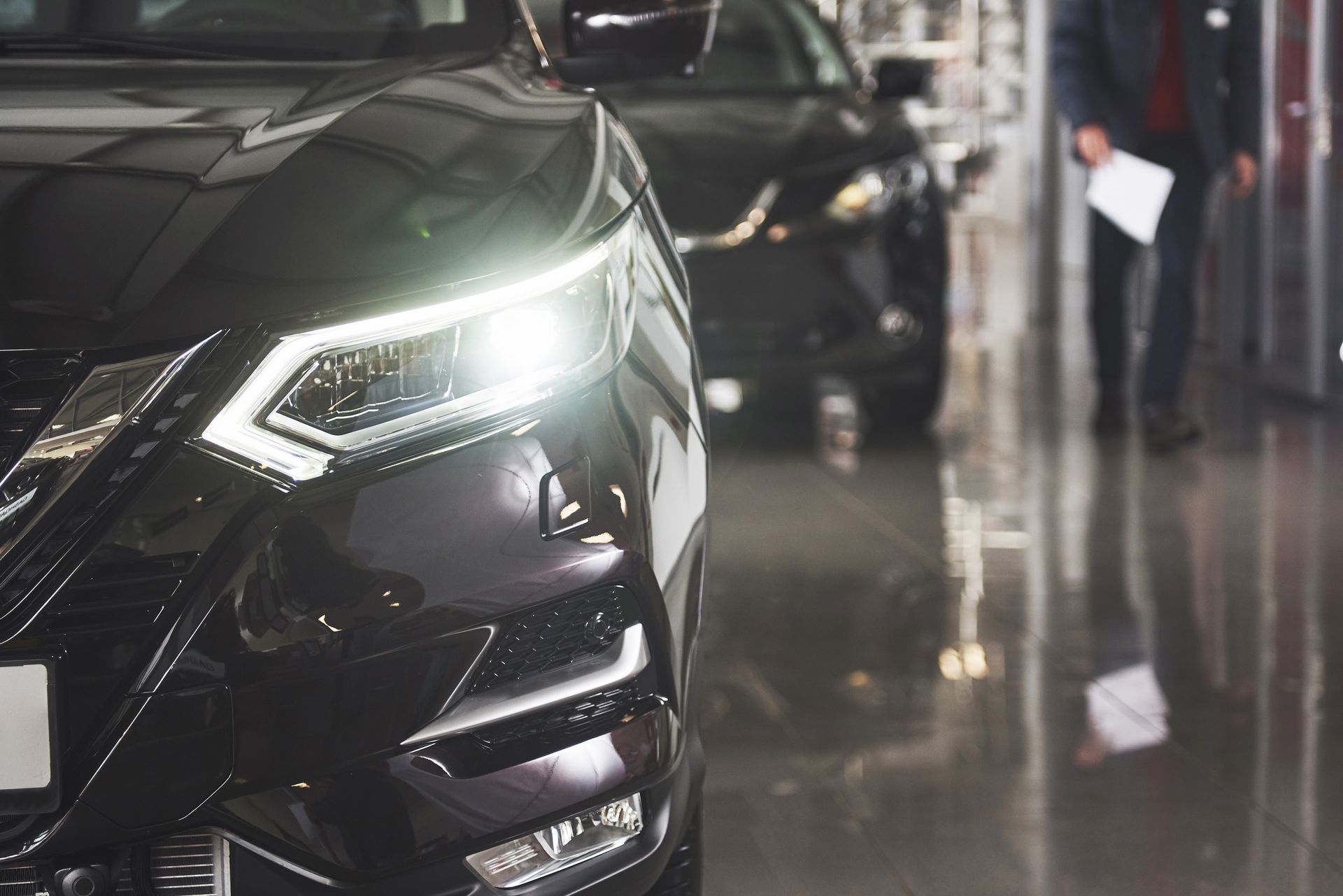
Upgrade your fleet with professional vehicle work lights installation in Porter, TX. BJL Lighting installs LED vehicle work lights to improve nighttime safety!

Explore the best commercial vehicle safety lighting and LED vehicle safety lighting options in Porter, TX. Improve visibility with professional installation!

Learn how modern vehicle safety lighting systems improve visibility, reduce risks, and enhance safety for commercial vehicles and fleets at BJL Lighting!
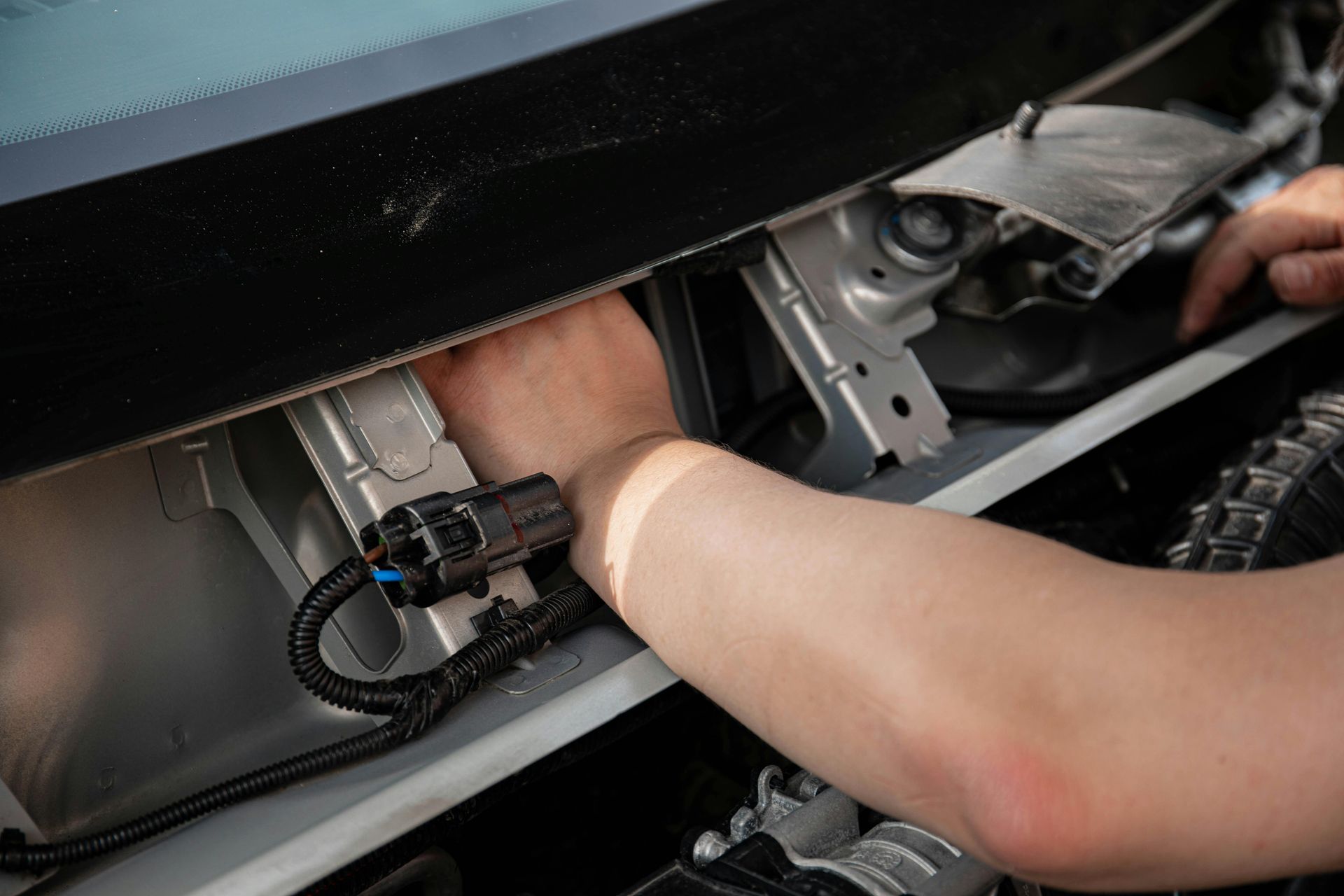
Keeping drivers safe is important for every business that operates commercial vehicles. Whether you manage work trucks, delivery vans, utility vehicles, or construction equipment, safety should always be a top priority. Many accidents happen because drivers cannot see everything around their vehicles. Blind spots, poor visibility, and busy work environments can increase the risk of collisions. This is where vehicle sensor systems can make a big difference. At BJL Lighting , we provide professional vehicle sensor installation services for businesses in Porter, TX. These systems help drivers stay aware of their surroundings and can reduce the risk of accidents on the road and at job sites.

Learn how dash cams and DVR systems work together to improve vehicle security, reduce liability, and protect commercial fleets in Porter, Texas.

Improve driving safety with professional vehicle sensor installation Porter TX services. Learn how modern vehicle sensor systems help protect drivers, fleets, and work vehicles across Texas.

Choose the right vehicle lighting installation for safety with tips on LED lights, strobes, and security systems. Improve visibility and protect your vehicle today!