BJL Lighting LLC’s Blog
The Ultimate Guide to Vehicle Safety Lighting: What Every Fleet Owner Should Know
When you manage a fleet, safety is not optional.
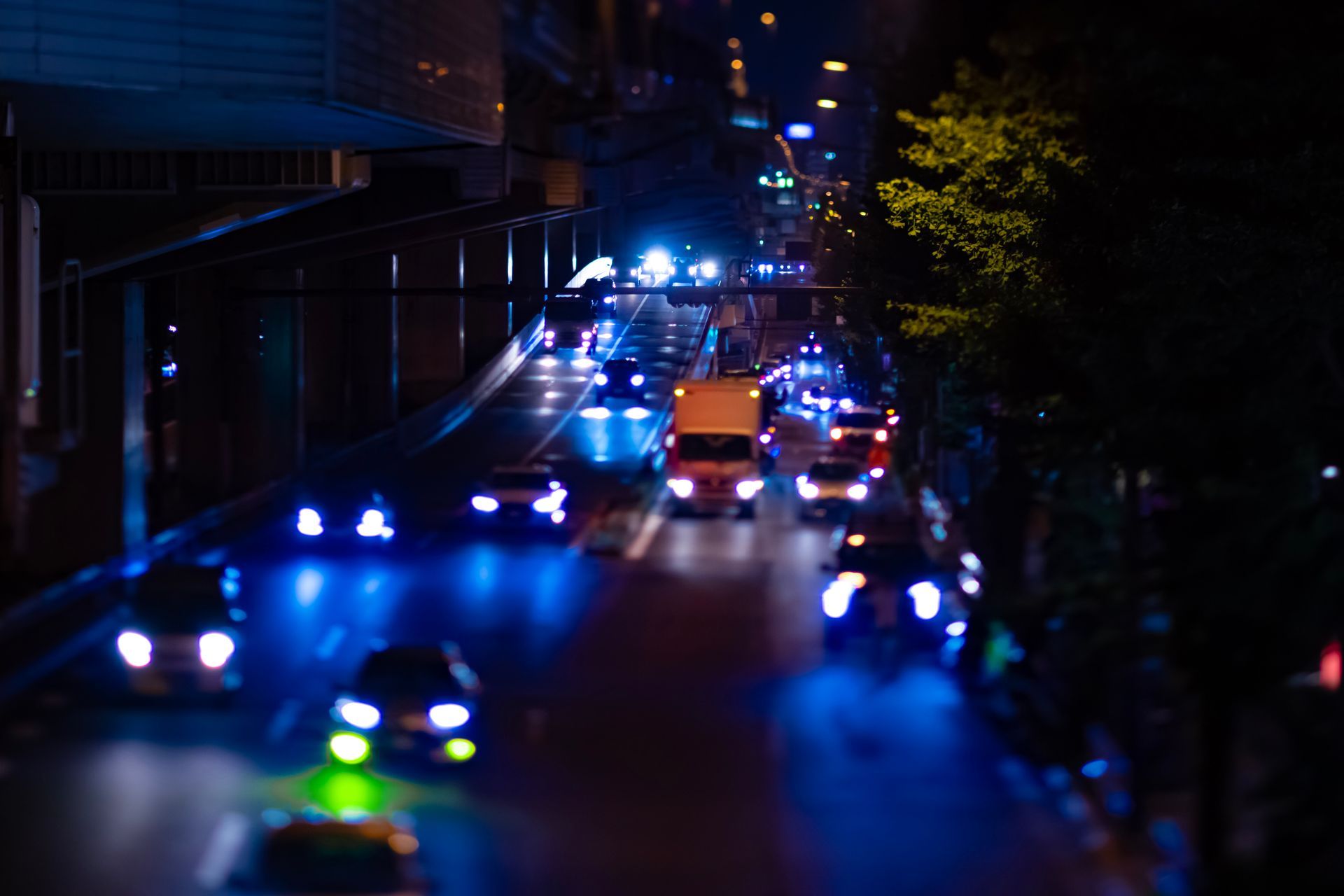
When you manage a fleet, safety is not optional. It is operational strategy. It is brand protection. It is liability reduction. And it is one of the fastest ways to protect your people, your equipment, and your bottom line.
Vehicle safety lighting is one of the most powerful and often overlooked investments a fleet owner can make. Whether you operate construction trucks, utility vehicles, municipal units, service vans, or emergency response vehicles, proper lighting can dramatically reduce risk while improving efficiency and professionalism.
This guide breaks down everything fleet owners need to know about vehicle safety lighting, from compliance to technology to installation best practices.
Why Vehicle Safety Lighting Matters More Than Ever
Traffic congestion is increasing. Work zones are busier. Distracted driving is a daily reality. Visibility is your first line of defense.
High-quality safety lighting does three essential things:
- Prevents accidents
- Improves worker safety
- Reduces liability exposure
If your vehicle is stopped roadside, operating in low light, entering traffic, or working in an active zone, lighting ensures other drivers see you before it is too late.
For many fleets, lighting is not just a recommendation. It is a compliance requirement. Federal, state, and local regulations often mandate specific lighting types, colors, and placements depending on vehicle class and industry.
Investing in the right system is not just about brightness. It is about strategic visibility.
Types of Vehicle Safety Lighting Every Fleet Should Understand
Not all lighting serves the same purpose. The most effective fleets use layered systems.
Warning Lights
Warning lights are designed to attract attention quickly. These include:
- Light bars
- Strobe lights
- Beacons
- Grill lights
- Surface-mounted LEDs
Amber lighting is common for construction and utility fleets. Red and blue are typically reserved for emergency vehicles, depending on jurisdiction. Choosing the right color and flash pattern is essential for compliance.
Work Lights
Work lights illuminate the job site, not just the vehicle. These are critical for:
- Night operations
- Roadside repairs
- Construction environments
- Utility maintenance
High-output LED work lights provide powerful, wide-area illumination with lower power consumption.
Scene and Perimeter Lighting
Scene lighting enhances visibility around the entire vehicle. This reduces trip hazards and increases awareness in tight environments.
Interior Safety Lighting
Interior lighting upgrades improve organization and reduce risk when accessing tools and equipment at night.
A comprehensive lighting strategy often combines multiple systems working together.
LED vs. Traditional Lighting: Why Most Fleets Upgrade
Modern fleets overwhelmingly choose LED lighting for one reason: performance.
LED safety lighting offers:
- Longer lifespan
- Lower energy consumption
- Higher brightness output
- Faster activation
- Greater durability
Traditional halogen systems generate more heat and require more frequent replacement. LEDs are engineered for vibration resistance and harsh conditions, making them ideal for commercial vehicles.
For fleet owners calculating long-term ROI, LEDs typically win on maintenance cost and downtime reduction alone.
Compliance and Legal Considerations
Fleet owners must consider regulations at multiple levels:
- Federal motor vehicle standards
- State transportation codes
- Industry-specific requirements
- Work zone safety regulations
Improper lighting color or flash pattern can result in citations. Incorrect mounting positions can reduce effectiveness and increase risk.
Working with experienced upfitters ensures lighting systems are compliant and optimized for your operational needs.
Documentation also matters. Keeping records of installations and specifications protects you during inspections and liability disputes.
Strategic Lighting Placement: It Is Not Just About Brightness
More lights do not automatically mean more safety. Strategic placement ensures:
- 360-degree visibility
- Proper front and rear warning
- Effective side alerting
- Minimized blind spots
Low-profile light bars may work best for highway vehicles. Surface-mounted strobes might be ideal for service vans. Rear directional lighting can dramatically reduce rear-end collisions in roadside operations.
Professional upfitting ensures lighting enhances safety without obstructing aerodynamics or vehicle functionality.
The Productivity Impact of Proper Upfitting
Lighting is not just about emergencies. It improves workflow.
Well-lit vehicles allow crews to:
- Start earlier
- Finish later
- Operate more efficiently
- Reduce setup time
When lighting integrates seamlessly with shelving, tool storage, camera systems, and power management systems, the entire vehicle becomes a mobile command center.
Mobile installation services further reduce downtime by bringing professional upfitting directly to your fleet location. That means less time off the road and more operational continuity.
Common Mistakes Fleet Owners Make
Understanding common pitfalls can help you avoid expensive corrections later.
Choosing Based on Price Alone
Cheap lighting systems often fail prematurely or lack brightness standards.
Ignoring Power Management
Overloading a vehicle’s electrical system can cause system failures and battery drain.
Skipping Professional Installation
Improper wiring increases fire risk and voids warranties.
Failing to Plan for Growth
Upfitting should allow for future expansion, including camera systems or additional lighting modules.
A strategic, long-term approach saves money and reduces operational friction.
How to Evaluate a Lighting Partner
Choosing the right provider matters as much as choosing the right equipment.
Look for:
- Experience with commercial fleets
- Knowledge of compliance standards
- Customization capabilities
- Mobile installation options
- Ongoing service support
A knowledgeable lighting and upfitting partner understands your industry and helps you design solutions that scale.
Fleet lighting is not a one-size-fits-all purchase. It is an engineered safety system.
The Future of Fleet Safety Lighting
Technology continues to evolve rapidly.
Emerging trends include:
- Smart lighting controls
- Integrated camera and lighting systems
- Programmable flash patterns
- Telematics-connected safety alerts
- Energy-efficient power management systems
Fleet managers who adopt modern systems position themselves ahead of compliance shifts and insurance trends.
Insurance carriers increasingly view safety upgrades as risk mitigation tools. Proper lighting may contribute to favorable underwriting decisions.
The future is integrated, intelligent, and visibility-focused.
Final Thoughts
Vehicle safety lighting is one of the highest ROI investments a fleet owner can make. It protects drivers, reduces accidents, improves compliance, enhances productivity, and elevates professional image.
The difference between basic lighting and strategic lighting is the difference between being visible and being unmistakable.
Fleet owners who treat lighting as infrastructure rather than an accessory create safer roads for everyone.
Frequently Asked Questions (FAQ)
What color safety lights should my fleet use?
It depends on your industry and local regulations. Amber is common for construction, utility, and service fleets. Red and blue are typically restricted to emergency vehicles. Always verify state and municipal regulations before installation.
Are LED lights worth the investment?
Yes. LEDs last significantly longer than halogen systems, consume less power, and provide superior brightness. Over time, they reduce maintenance and downtime costs.
How long does a professional lighting installation take?
Installation time varies depending on vehicle type and system complexity. Basic lighting upgrades can often be completed in a single day, while full upfits may require additional time.
Can safety lighting drain my vehicle battery?
Improper installation can strain electrical systems. Professional upfitters use power management solutions to ensure lighting systems operate efficiently without damaging the vehicle.
Do I need work lights if I already have warning lights?
Yes. Warning lights increase visibility to other drivers. Work lights illuminate the job site for your crew. They serve different purposes and often work best together.
Is mobile installation better than bringing vehicles to a shop?
Mobile installation reduces downtime and keeps your fleet operational. It is especially beneficial for large fleets that cannot afford to pull multiple vehicles off the road at once.
How often should safety lighting be inspected?
Routine inspections should be conducted during regular vehicle maintenance. Checking connections, flash patterns, and brightness ensures continued compliance and performance.
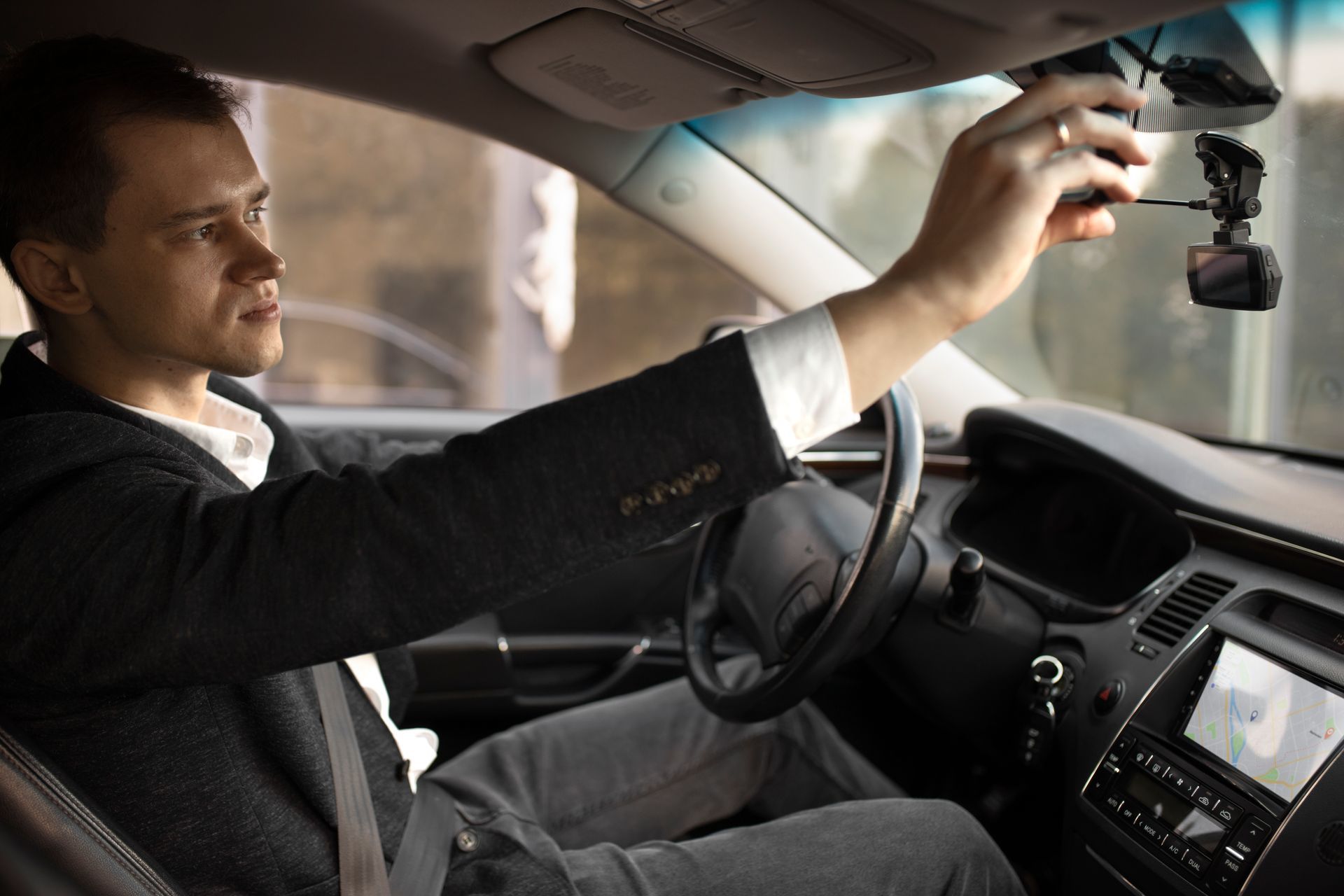
Get professional dash cam installation in Houston from BJL Lighting. We provide clean, reliable mobile installation for cars, trucks, and commercial fleets.
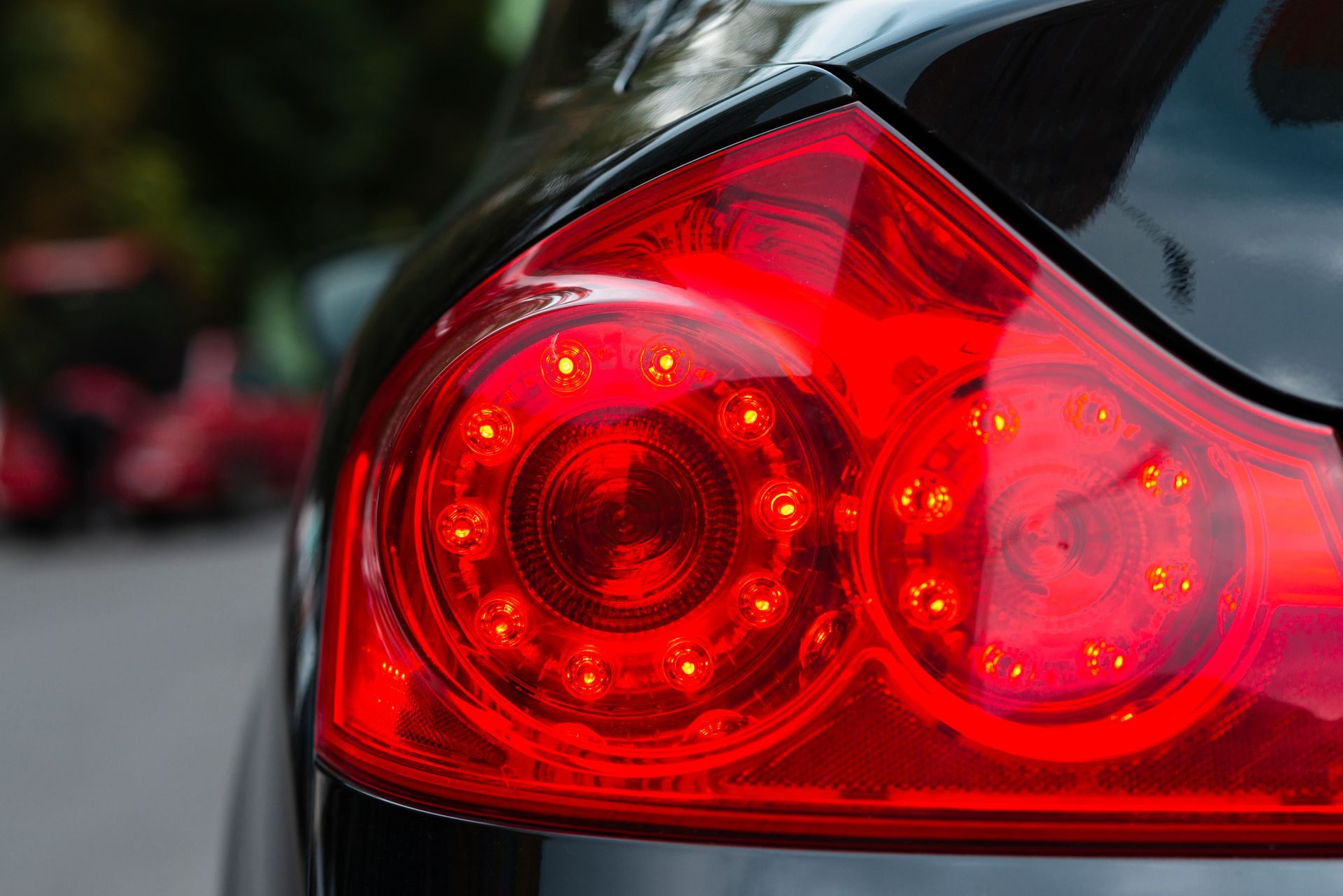
Protect your fleet with professional vehicle safety lighting in Porter, TX. Call BJL Lighting LLC today for a free quote and mobile installation service.

Need LED vehicle work lights for nighttime or off-road jobs? BJL Lighting offers expert mobile work lights installation in Porter, TX. Call today!
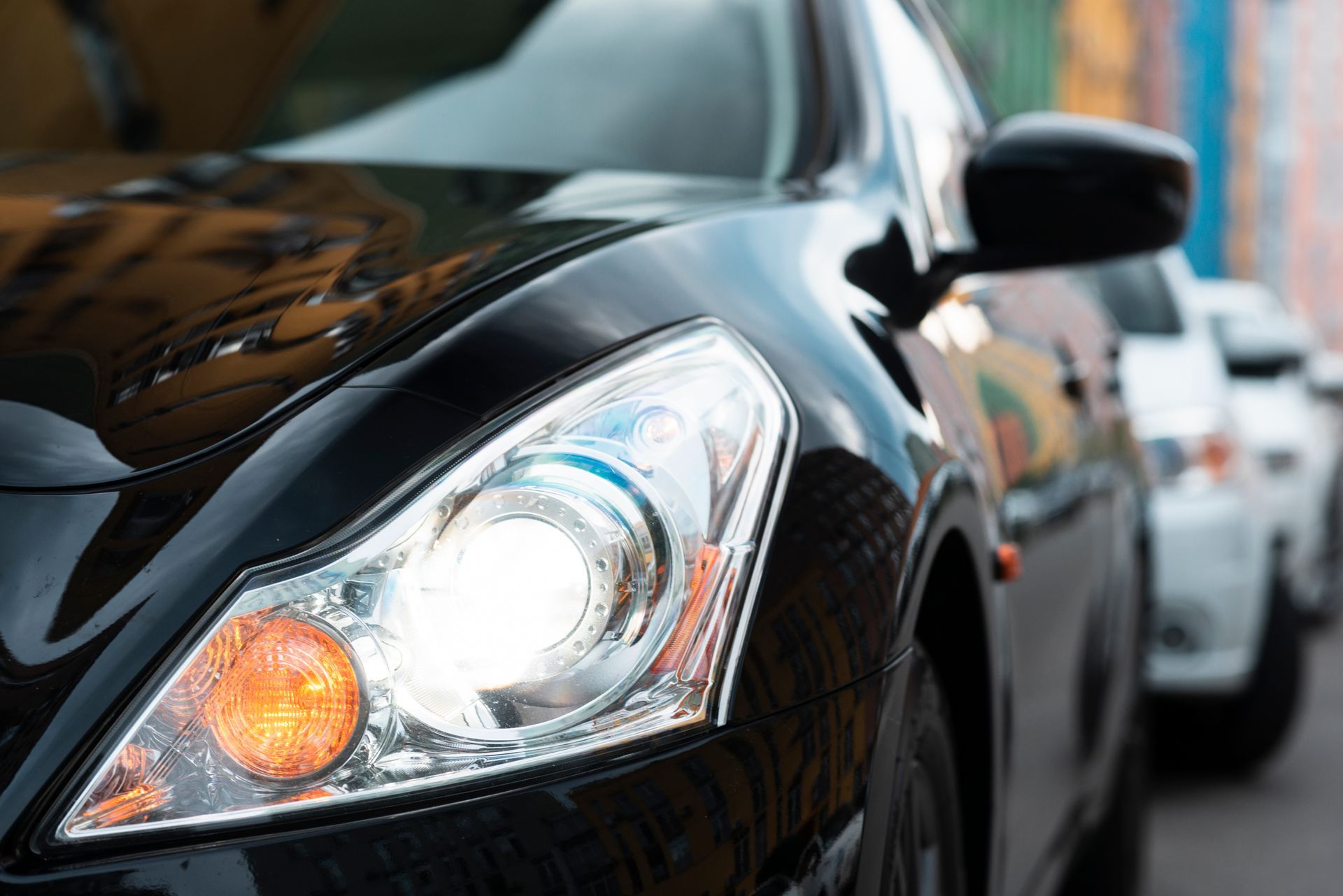
Upgrade your vehicle with bright, durable LED lights in Porter, TX. We install vehicle LED lights at your location. Call (936) 701-9991 for a free quote today!
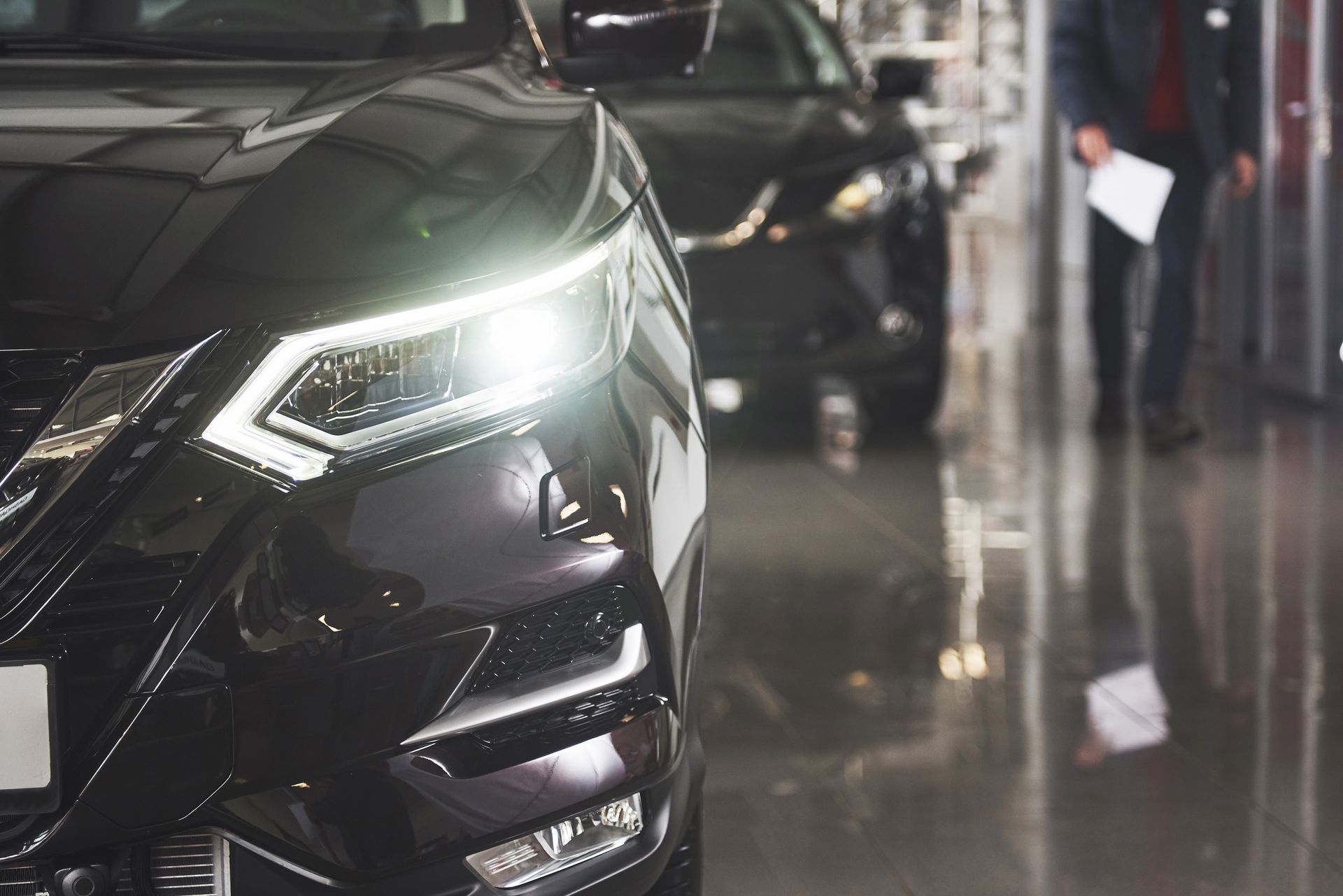
Upgrade your fleet with professional vehicle work lights installation in Porter, TX. BJL Lighting installs LED vehicle work lights to improve nighttime safety!

Explore the best commercial vehicle safety lighting and LED vehicle safety lighting options in Porter, TX. Improve visibility with professional installation!
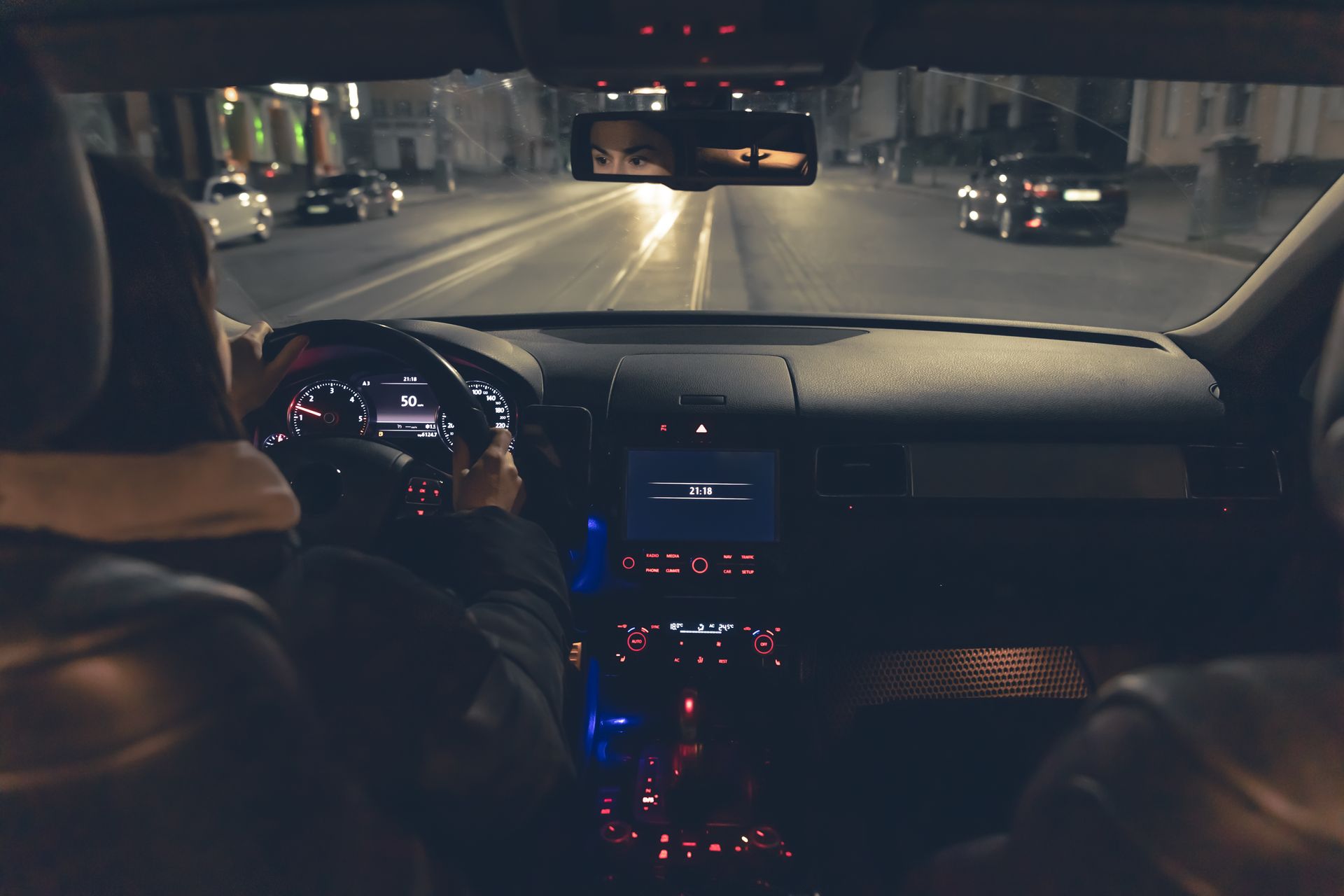
Learn how modern vehicle safety lighting systems improve visibility, reduce risks, and enhance safety for commercial vehicles and fleets at BJL Lighting!
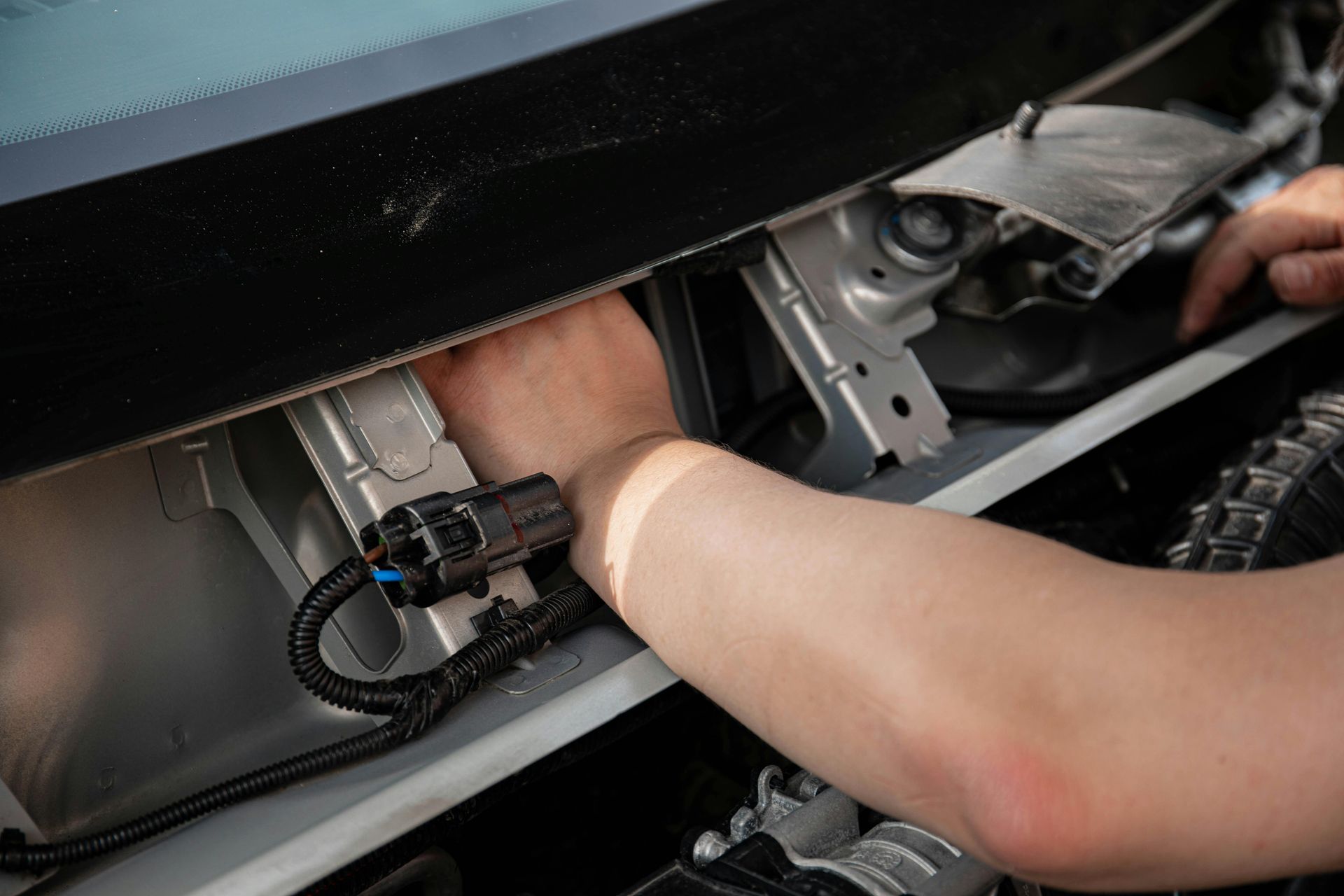
Keeping drivers safe is important for every business that operates commercial vehicles. Whether you manage work trucks, delivery vans, utility vehicles, or construction equipment, safety should always be a top priority. Many accidents happen because drivers cannot see everything around their vehicles. Blind spots, poor visibility, and busy work environments can increase the risk of collisions. This is where vehicle sensor systems can make a big difference. At BJL Lighting , we provide professional vehicle sensor installation services for businesses in Porter, TX. These systems help drivers stay aware of their surroundings and can reduce the risk of accidents on the road and at job sites.
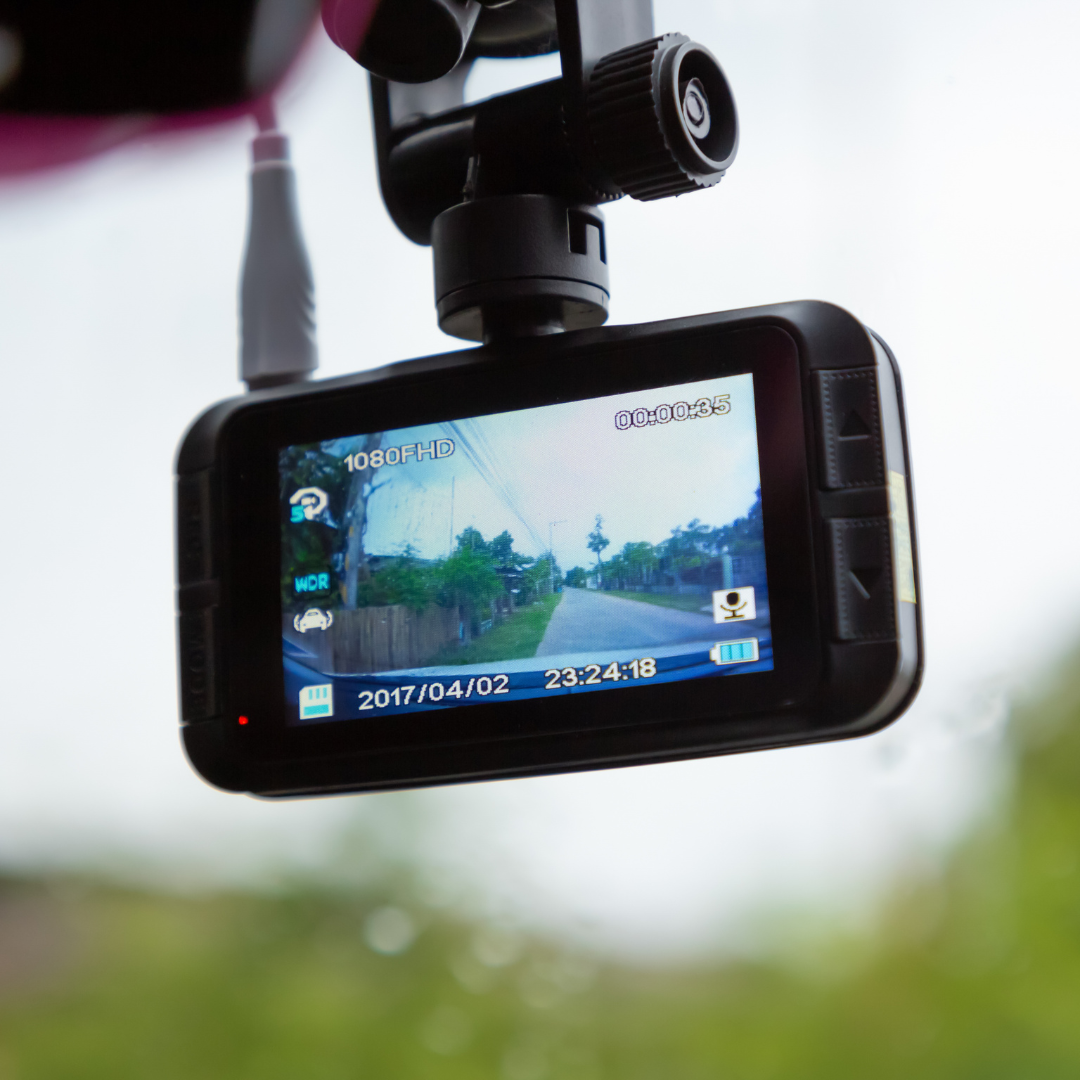
Learn how dash cams and DVR systems work together to improve vehicle security, reduce liability, and protect commercial fleets in Porter, Texas.

Improve driving safety with professional vehicle sensor installation Porter TX services. Learn how modern vehicle sensor systems help protect drivers, fleets, and work vehicles across Texas.